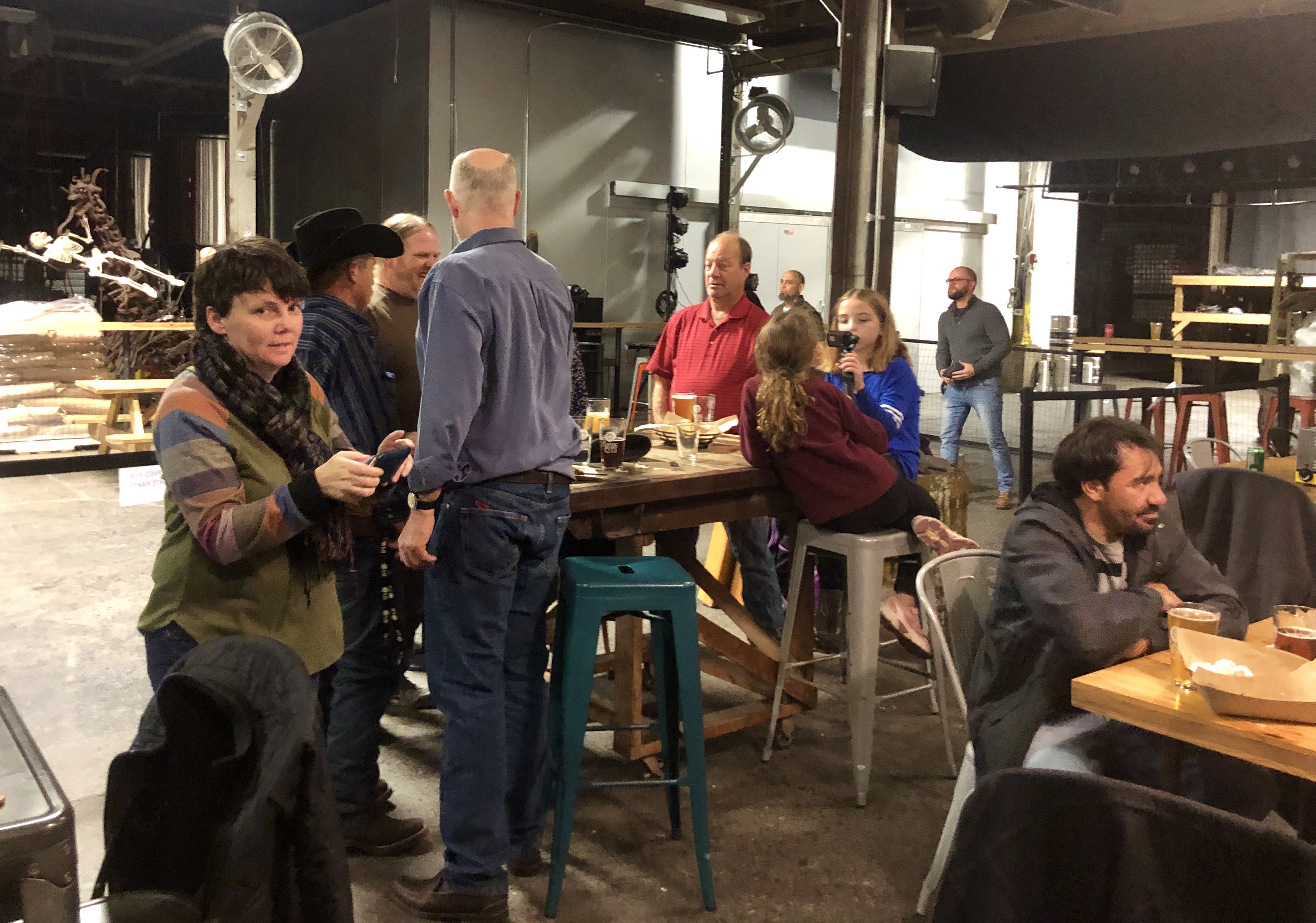
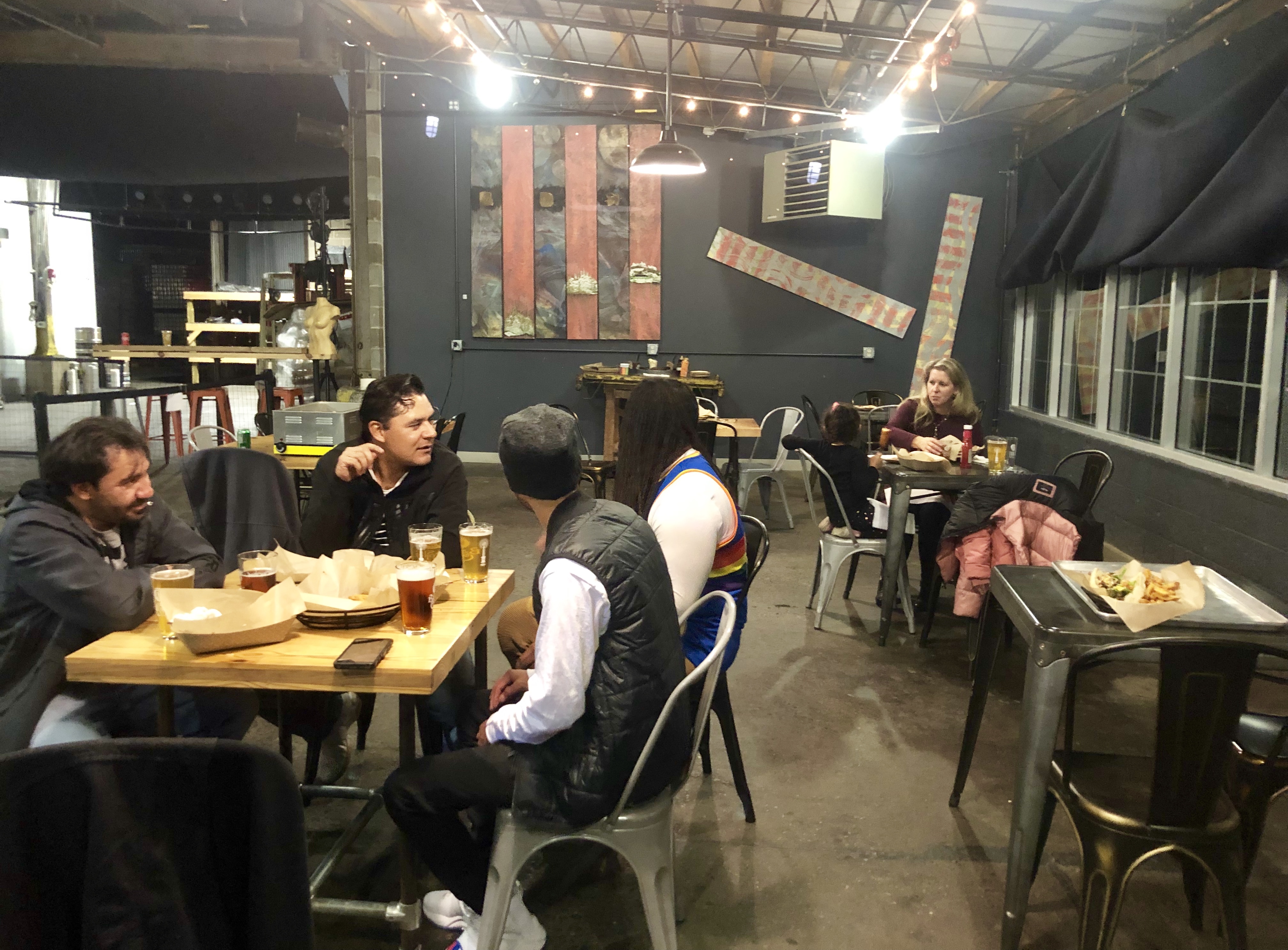
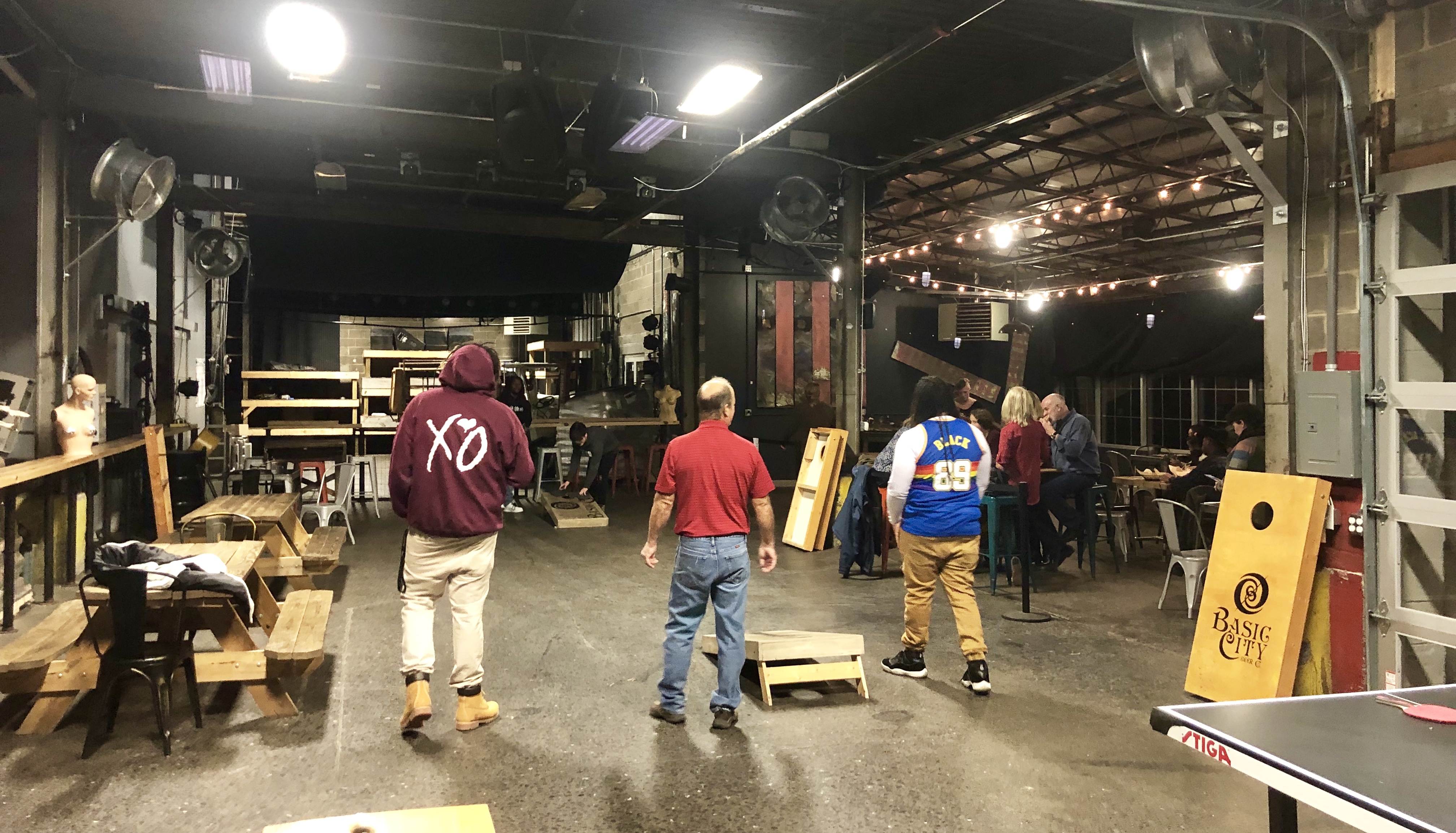
The crew took a little time a couple of Fridays ago to come together as a company in our off time to celebrate this unique productive, busy year we have had. Our typical company parties have always had us seated at a long table, with steak in front of us, and concluded with a hearty speech from ‘the boss’. We have grown quite a bit as a company this year and came to the conclusion that the typical party just was not quite going to fit us anymore.
We decided to reach out the a local brewery and see if they would be willing to host this hard working, creative, capable crew that is so animated & quick to laugh. Basic City Beer Co. in Waynesboro was delighted to host us for an evening, and Hops Kitchen was on tap to cater the event. We can’t recommend or thank them both enough.
The brewery could not have been cooler. The party space was perfect, as was the beer selection, even the nacho & brownie bar, to an arcade full of throwback games (the boss popped for quarters for all), to the neat industrial feel of the place. The evening was just the sort of celebration that our robust group was looking for.
We were grateful for the venue but also for each other. It was a treat to get to see everyone’s families & finally toast one another, officially with a well deserved round after the year we have experienced. In a lot of ways it was a kick off to the holiday season and reminded us to not only be grateful for the incredible projects that we get to work on but also for each other. We extend this gratitude to all of our clients, vendors, and growers. At the end of the day without you all we wouldn’t be able to preform the work that we enjoy doing so much.
https://windridge-stage.stage5.estlandhosting.com/wp-content/uploads/2019/12/Shot-of-Guys-scaled.jpg10762560estland/wp-content/themes/windridge-enfold-child/images/header-logo.svgestland2019-12-06 19:42:572019-12-06 19:42:57Time For A Little Fun
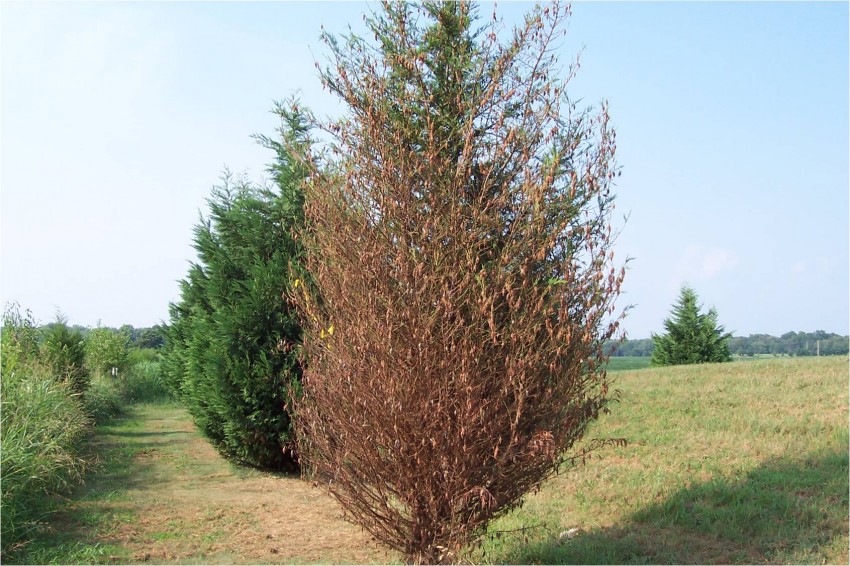
A flowering evergreen shrub that likes full sun is a bit of a unicorn in our region. Numerous ‘wonder shrubs’ have been marketed into favor only to fail in the landscape. Cold Hardy Camellia & Gardenia we find are not so hardy and fall short of their marketed promise. Even Japanese Hollies (Ilex crenata) have permanently crossed themselves off of savvy designer’s lists due to their poor & short performance in the landscape. The need for this type shrub has given rise to another unsustainable and perpetually problematic shrub. The newest mania… Cherry Laruel aka ‘Otto Luyken’ & ‘Schip’ Laurels. Landscapers commonly encounter this plant not only at the residential level but on the commercial one as well. Local growers struggle to produce quality plants in the nursery in our region and often time must buy the plants in from the West Coast or states south of us just to have a salable plant. The market demand is high at the moment, as is the need to replace these shrubs that continuously fail in the landscape. This is good for garden centers because everyone has to keep buying the same plant over and over. It is a predictable cycle of disappointment. They truly are the Leyland Cypress of the shrub world without a doubt.
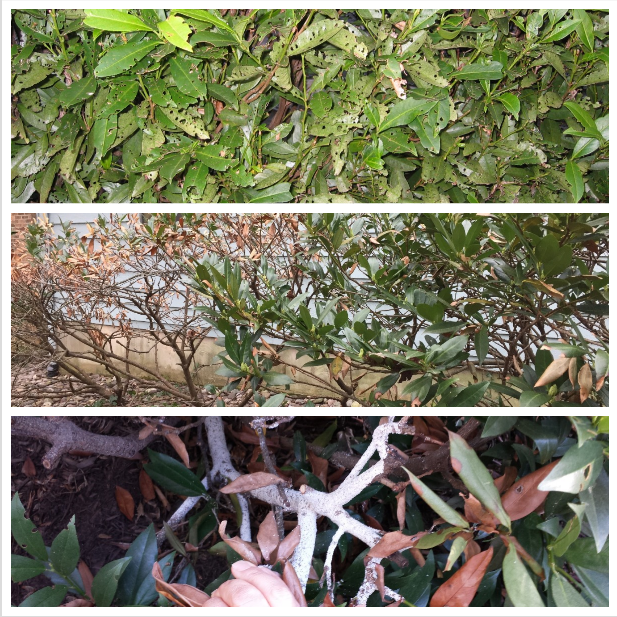
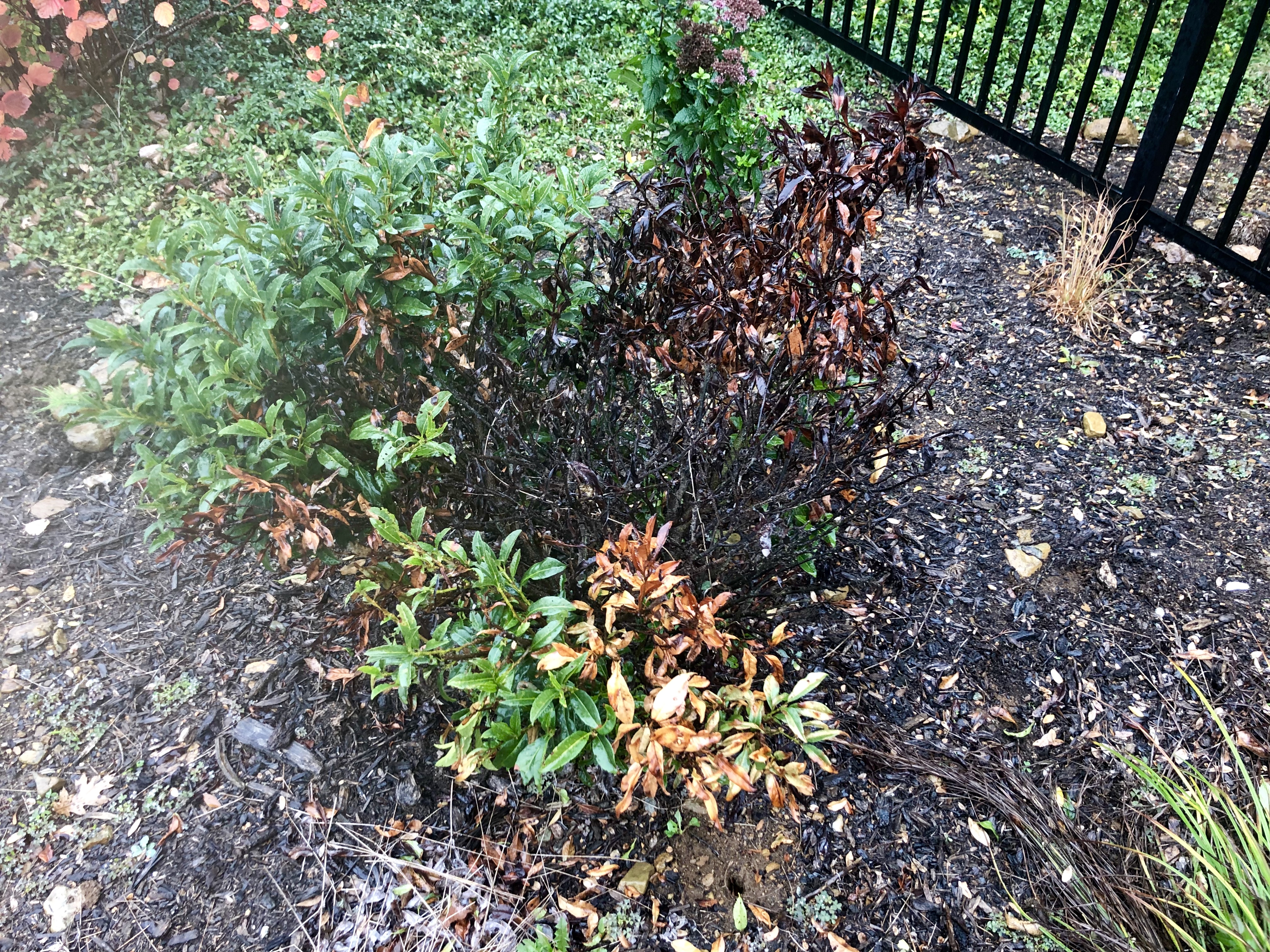
These Laurels are prone to root rot and susceptible to fungal problems in our area. Some of these diseases are nothing more than a perpetual annoyance while others can severely damage the shrub and kill it. Leaf spots are caused by fungus that attacks the shrub, causing wilting, curling and premature dropping of foliage. Bacterial leaf blight, similar to leaf spot, is very common and has absolutely no chemical control. Phytophthora fungi attacks the crown and roots of Cherry Laurel shrubs, causing various damaging symptoms such as wilted, stunted and discolored foliage that drops from the stems. This also very common problem has no chemical control and will kill the shrub as well. Shothole fungus, while not life threatening can be a very annoying and unattractive problem with these plants on an annual basis. Powdery Mildew & Aphids infestations are also very common. These problems spread from plant to plant and often times take out an entire hedge. We truly are left scratching our heads as to why this plant is still so popular. We went so far as to plant one here at Windridge to track it’s progress. It was a very healthy plant, and one of the few that was raised locally. The shrub was left over from a project and we decided to turn it into an experiment. It has been in our landscape for three years now. It has put on little to no growth and is showing signs of fungal dieback. We anticipate its removal by Spring of 2020 at the latest.
Laurel at our shop
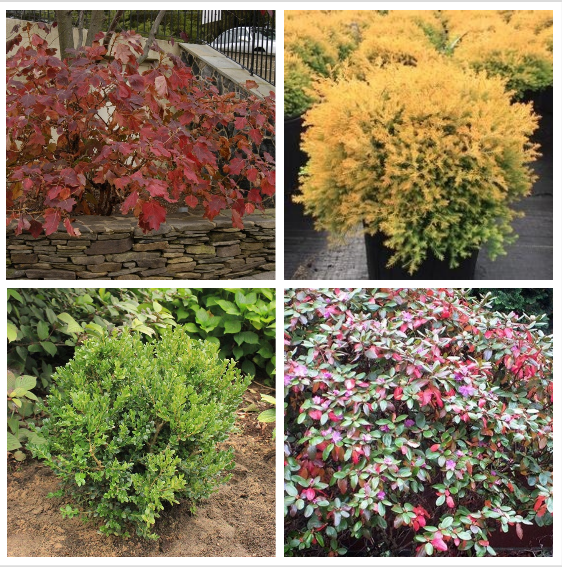
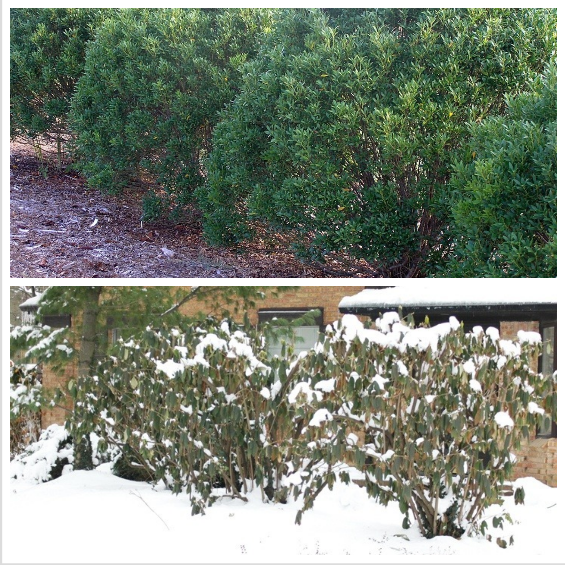
Consider planting Inkberry, Osmanthus, shrub form Arborvitaes, False Cypress, Globe Cryptomeria, Grey Owl Juniper, or a Blight Tolerant Boxwood like ‘Green Beauty’. Consider a semi evergreen like several of our viburnums such as ‘Conoy’ or Leatherleaf , Oakleaf Hydrangeas, or perhaps PJM Rhododendron in a semi protected partially shaded area. Even ornamental grasses can offer a visual buffer over the winter & provide habitat for native pollinators.
Upper Left Oakleaf, Lower Left Green Beauty, Upper Right Rheingold Arborvitae, Lower Right PJM Rhododendron
There is not one obvious substitute plant for this situation. We are working with both our residential & commercial clients to find sustainable & diverse substitutes. To wrap this up do yourself a favor and scratch Otto Luyken & Schip Laurel off your list permanently.
Upper Inkberry Hedge, Lower Leatherleaf Hedge in Winter
https://windridge-stage.stage5.estlandhosting.com/wp-content/uploads/2019/11/IMG_E3790-scaled.jpg19202560estland/wp-content/themes/windridge-enfold-child/images/header-logo.svgestland2019-11-05 19:22:522019-11-05 19:22:52Otto Luyken & Schip Laurels Are NOT The Answer
We took some time on this Friday to honor a client and dare I say friend. We met John Lloyd around the first of the year, instantly bonding over a passion for trees. You can tell a lot by a person based on their favorite tree and John had a passion for Black Gum & Hickories. We were fortunate enough to team up on a project at the Lloyd residence this past spring. It was a fun project and we had a good time getting to know both Mr. & Mrs. Lloyd. He passed shortly after the conclusion of the project and the news effected all of us here.
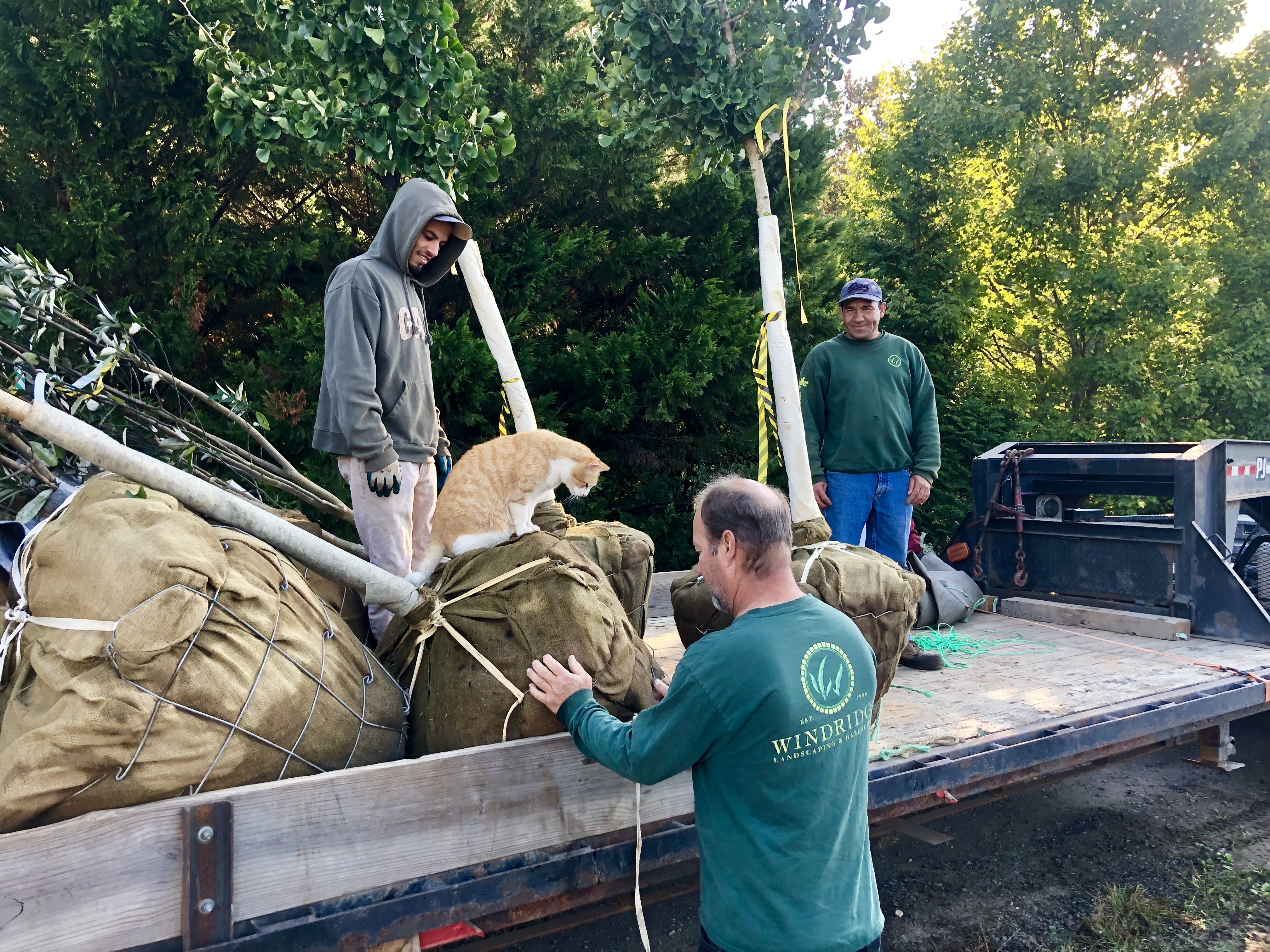
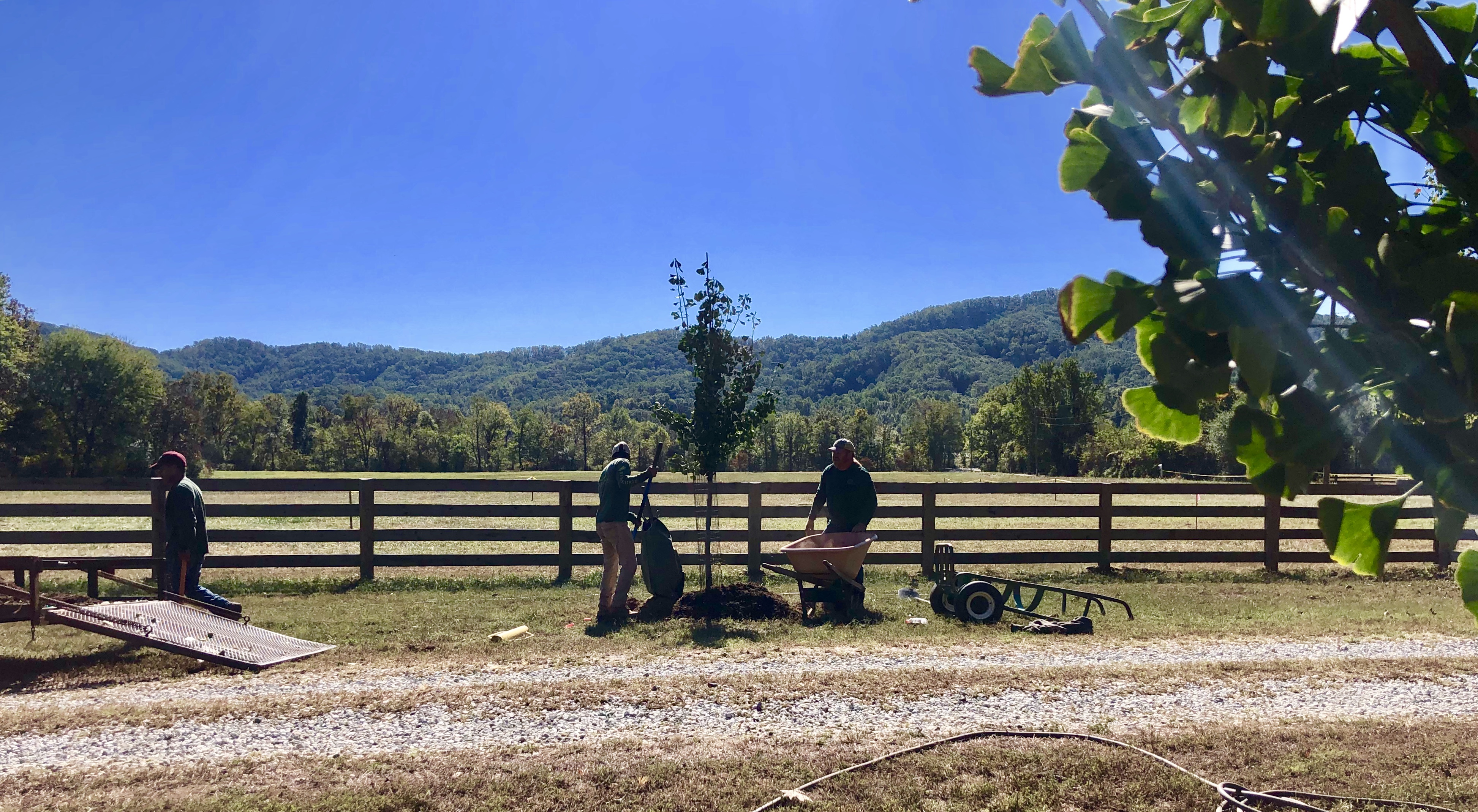
That is precisely why we did not hesitate at the opportunity to plant two memorial Ginkgos for him today, October 11th. Our dear friends at Bremo Trees Nursery hooked us up with specimen trees that were unloaded this morning. We had such a good time unloading them that even our Farm Kitty, Leroy came down to inspect the trees and supervise the operation.
We met down at Spruce Creek Park here in Nellysford, on this gorgeous, clear, fall day, and planted these two trees in the shadow of the mountain. It was a special morning filled with laughter, smiles, jokes, and purpose. We all felt that John would have approved of these grand trees. The opportunity to volunteer does not come often enough and we live in a society that reinforces that every moment needs to be paid. It is important to give your time in service and ‘pay it forward’. We feel very fortunate to have met John, even if briefly so.
So take a moment and go by to welcome these trees to this marvelous community park, this weekend if you have a chance. As for us, our workday is done! We end the week with full happy hearts and one tired kitty boy.
https://windridge-stage.stage5.estlandhosting.com/wp-content/uploads/2019/10/IMG_3716-scaled.jpg19202560estland/wp-content/themes/windridge-enfold-child/images/header-logo.svgestland2019-10-11 18:27:212019-10-11 18:27:21Time To Volunteer
There’s something about the beginning of the fall season that makes people eager to start pruning. Perhaps it is the onset of winter? Or Perhaps it’s all the raking and mulching that has people going overboard in their yard?
But before you start pruning your trees and shrubs, you may want to tune in to what the landscape experts have to say.
The leading minds in the green industry are recommending that you prune nothing in the fall. That goes for trees, shrubs, & perennial plants & grasses.
Now this may lead you to feel like you are way out of your comfort zone. It is important to reassure yourself that fall is simply not the right time to prune. Not even to trim trees and shrubs, though the fallen leaves have exposed all their imperfections. Pump you brakes and put your pruning tools back in the shed for at least a month or so. Here is an explanation and some pruning basics, to be implemented when it’s a more opportune time to trim back trees and shrubs:
Why Not Prune In Fall
Pruning in fall stimulates new growth just when the plants are trying to go dormant, and this severely weakens the plants. Furthermore if you prune on a warm day, sap rises up into the plant; then it drops below freezing that night, and you run the risk of losing your plant entirely. This risk is only increasing due to the continually shifting weather patterns we are experiencing now & into the foreseeable future.
Instead, prune in the dead of winter or in early spring. Consider it an exercise in self control over your fall pruning obsession. Keep in mind that you can prune spring bloomers right after they finish flowering. Proper pruning of flowering shrubs will help the plants produce more flowers, which can also benefit wildlife. Being mindful of your pruning timing can also help trees and shrubs avoid infectious diseases and unwanted interest from pests. Waiting until winter means that most woody plants are dormant, and because leaves have already fallen, it makes it easier for you to see what you’re doing. For early spring bloomers (like Rhododendron & Viburnum) that only need light pruning, prune them just after they finish blooming. For very overgrown deciduous shrubs, winter pruning is in all likelihood the best approach.
Scientists are finding that numerous pollinators use grasses and perennials as a overwinter habitat. That habitat is becoming harder and harder for them to find due to our overzealous cleaning of our yards. Birds also browse seed heads for food. Consider leaving at least some of your plants as an experiment. Tell yourself its ‘winter interest’.
Never Prune When It’s Wet
As a general rule of thumb, don’t prune when experiencing damp conditions outside. Doing so spreads a lot of diseases. Damp weather encourages the growth of microorganisms & fungi that will thrive on the open wounds left from pruning. Wait until the sun’s out for a while. Give the heat the opportunity to dry out and kill mold & bacteria.
Pruning Is An Art
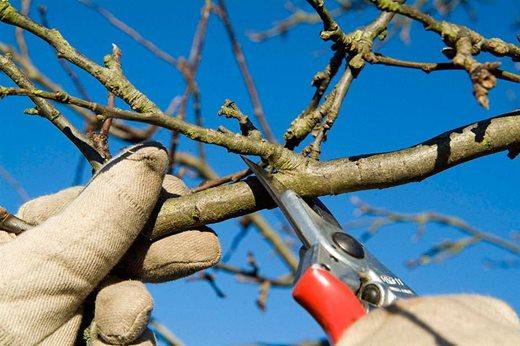
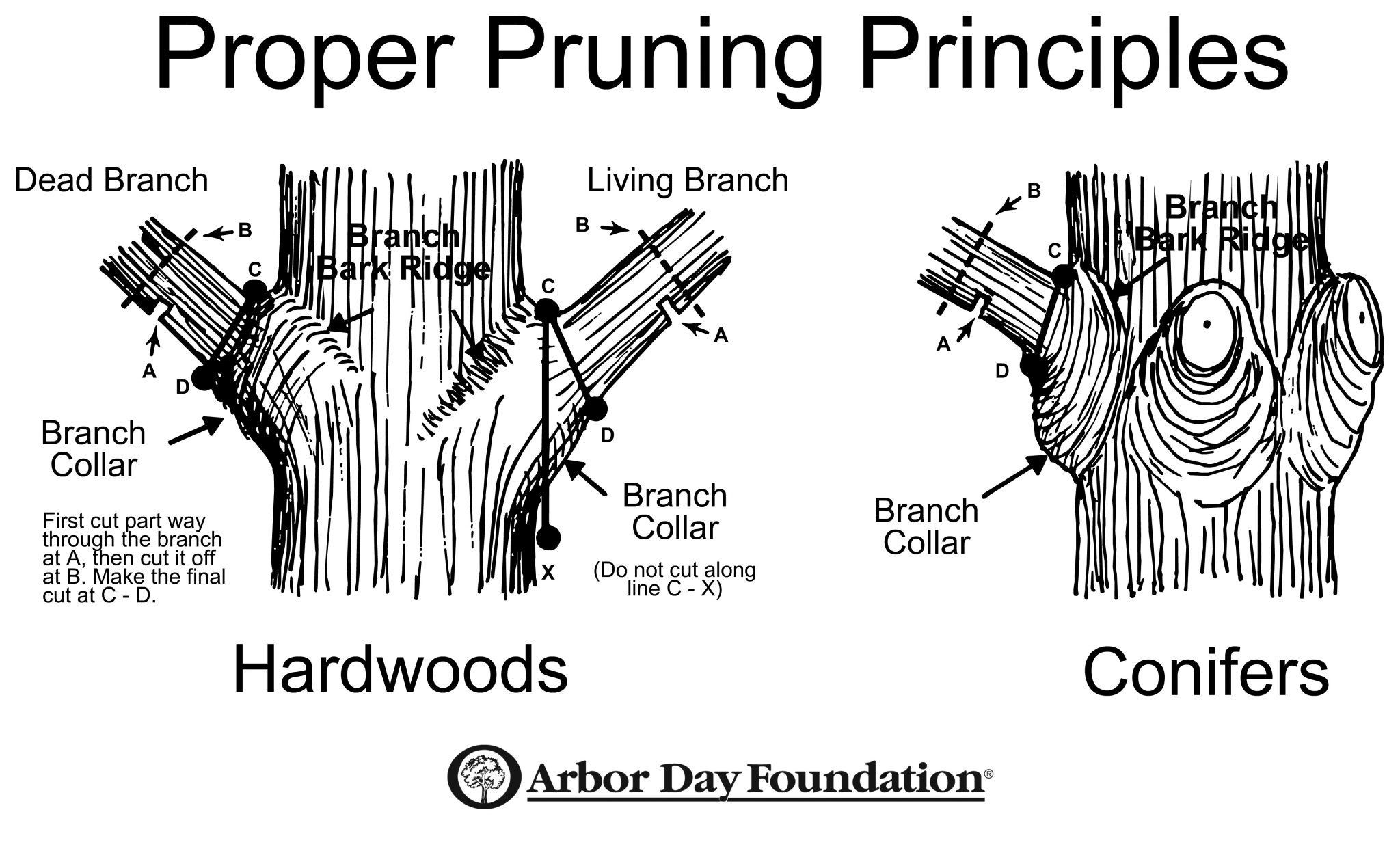
Cut the branch as close to the source as you can without creating a ‘flush cut’. Cut at the same angle as the branch collar ( the furrow of bark where branch and trunk meet) so that the plant can seal over the wound. If you leave a stub sticking out, it’s an area for bacteria and insects to harbor.
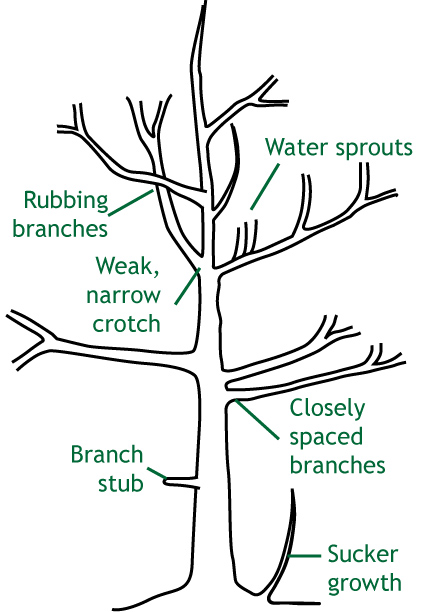
Pruning is essential to allow more sunlight and air circulation to filter through the trees and shrubs. This will help to keep them healthy. When it’s time to prune, first focus on removing dead or dying branches. If you see a sickly branch, cut between the diseased spot and the body of the plant. Also remove branches that turn inwards, rub, or cross each other. Typically you cut the smaller branch off. Also consider removing a branch if it is growing vertically. You can also take off really low branches that could interfere with foot traffic or lawnmowers. Keep the amount of material pruned off between 15-20% of the total plant.
Know the limits of your pruning ability. If you can’t trim from the ground using pole pruners/saw, or if there’s any pruning to be done near power lines, make sure you hire a professional instead of climbing and taking on the dangerous task yourself.
Know What You Are Pruning
There are numerous trees and shrubs that you can prune from winter until the sap starts flowing again in spring. Others you may want to wait to prune until after they bloom so that you do not sacrifice next years flowers by pruning at the incorrect time. It is important that you identify the plant before you prune to determine the optimal time to do so.
Keep Tools Clean
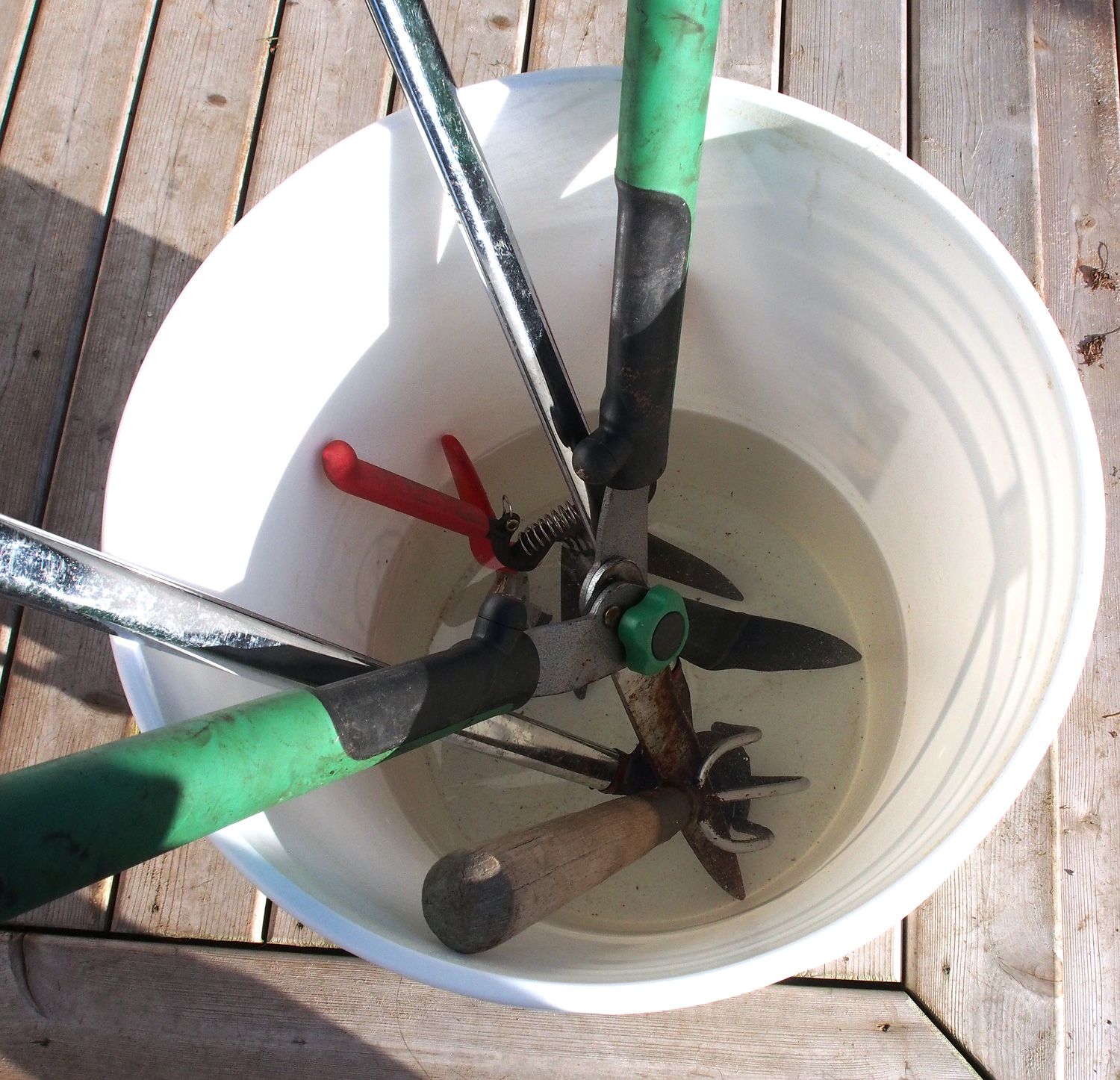
No matter what type of pruning tools you decide to use, make sure you keep them clean! Especially if you’ve cut out diseased branches. It is imperative that you sterilize your tools thoroughly before moving on to another plant, to avoid spreading disease. You can disinfect the tools by using just a teaspoon or two of bleach in warm water. Some prefer to use disinfectant wipes, alcohol, or zerotol. Hot, soapy water also kills most germs. Remember to dry (and possibly oil) tools well after washing, too.
You should be comfortable & confident in your yard. If you have any questions about pruning timing, technique, plant identification, or you just need help we are only a phone call or email away.
https://windridge-stage.stage5.estlandhosting.com/wp-content/uploads/2019/09/Pruning-in-winter.jpg346520estland/wp-content/themes/windridge-enfold-child/images/header-logo.svgestland2019-09-27 17:37:452019-09-27 17:37:45Why Winter & Spring Pruning is Best
Late summer doesn’t have to mean a loss of interest in your garden. Even with dryer than normal conditions this year plants can offer color, texture and interest. By planting native species less water and valuable resources are used and habitat is provided for local wildlife.
https://windridge-stage.stage5.estlandhosting.com/wp-content/uploads/2019/09/Xc7IeNAQ2.jpeg.jpg692664estland/wp-content/themes/windridge-enfold-child/images/header-logo.svgestland2019-09-20 16:13:592019-09-20 16:13:59Late Season Color
Hardscaping by definition is built to last. Paver patio’s, walkways, segmental retaining walls, stairs, freestanding walls, and columns are beautiful durable additions to any property that can offer years of outdoor enjoyment. Over time however, the weather can have an impact on your outdoor feature and it can begin to deteriorate if proper, preventative maintenance is not preformed.
Proper maintenance does not have to be a herculean task. There are simple, regular chores to be preformed to ensure that it always looks its best.
This first chore may make you feel like a bit of a Disney Princess but sweep your hardscape regularly to keep it free from debris. Once you’re done spray the stone down with a garden hose to ensure the majority of the nitty gritty bits are washed away. This may not be practical in the winter months but it is a nice way to cool down in the summer. In fall, over the winter, and in to spring dirt & vegetation gets an opportunity to collect. This can stain your pavers, low blocks, & block lips on a segmental wall. If this occurs know that the majority of stains can be removed by water, detergent, and good old elbow grease. Mold, moss, & oil based stains often require a different approach.
A paver sealant is a good option for an area with high use, or for a property that only gets used on occasion. There are a variety of different sealer finishes. Sealed pavers are easier to clean. The sealer will diminish over time especially in higher use hardscapes and may need to be resealed a bit more often than one that is used only intermittently.
Getting down and dirty with your hardscape allows you the opportunity to really inspect it. You can inspect your hardscape for gaps in the joints, any cracked or chipped pavers. A polymeric joint sweep can be reapplied easily. Re-application after pressure washing is typically a given. Often times you should replace compromised pavers as cracks tend to increase & spread over seasons of freezing & thawing. Individual stones are easy to replace. Look for dips or low spots in your paver surface, or a sag/bulge in your wall while you’re at it. This can be an indication of a more serious structural problem that could need to be addressed sooner rather than later.
Water will begin to collect in new areas on a patio that is becoming uneven. Pooling water can damage a hardscape quickly so it is best to contact a professional hardscape company to come out an assess the situation.
With a wee bit of diligent maintenance and a watchful eye you can be confident that your hardscape investment will not only add value to the property but to your daily life overall.
It is the time of the summer season where everyone is on the lookout for Butterflies, Moths, and their cocoons. If you are lucky enough you may even get the unforgettable opportunity to watch one emerge from it’s cocoon fully transformed spreading its wings, while you are left to marvel at the fluttering colors before you!
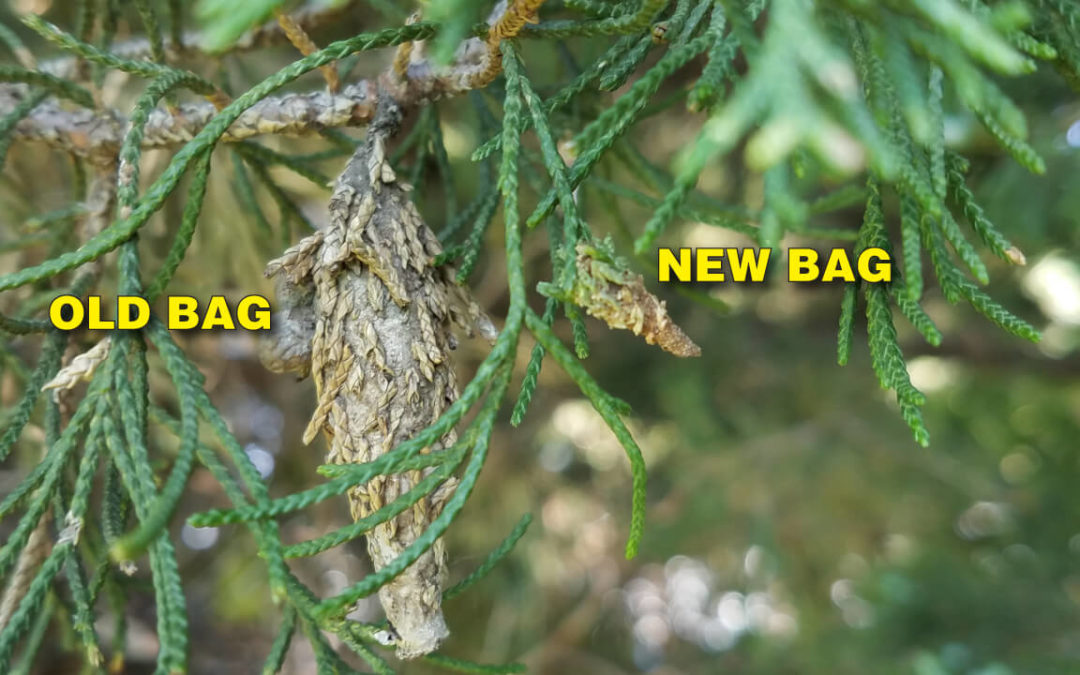
But, that sense of wonder doesn’t translate when a black headed caterpillar emerges from its bag! Bad news, what you have are likely bagworms! This time of year bagworms are busy eating your landscape; as their bags dance like holiday ornaments dangling from the limbs of trees & shrubs. They prefer evergreen hosts but can also be found on London Planetrees, Witch Hazels, Serviceberres, basically over 120 different types of trees & shrubs could be a potential host under the right set of circumstances.
You probably won’t see the bagworms themselves, but notice their homes (typically 2″ long) dangling from the tips of your trees. These insects, which are native to North America, use their silk and pieces of the tree to create a camouflaged, cocoon-looking bag, which in the fall they fill with up to 1,000 eggs! The eggs hatch in late spring or early summer, and emerge as tiny black larvae no larger than a pinhead. The caterpillars can use the silt that they produce to parachute to nearby trees and begin building a new home/bag) there. The pests hang out in their bags until late summer or early fall when the adult males emerge to mate.
On evergreens, they’ll eat lots of the buds and foliage, causing branch tips to turn brown and then die. But if they eat more than 30 percent of the tree, the tree may die. Most people are not going to notice the bagworms until substantial damage has been caused. They are most threatening to evergreens. It is important to monitor your trees this time of year for their presence.
“How do I get rid of them”, you ask? The easiest way to remove bagworms (when there is a small infestation) is to cut off the bags by hand and destroy them. Be sure to cut off all their silk, too, because that could strangle (and kill) twigs later. It is important to get every single one because each bag has the potential to hold 1,000 new bagworms which will hatch the following May.
If the infestation is acute, or out of reach, or you’re just easily grossed out or there are too many bagworms for you to remove, a certified applicator can apply a treatment to the tree when the larvae emerge in late spring or early summer. Timing is everything when treating this pest. A foliar application when they are actively feeding is best. Oftentimes a systemic treatment takes too long to be effective. The damage only compounds this problem. Timing is everything when treating for pests & diseases and there is no need to waste money on ineffective treatments.
https://windridge-stage.stage5.estlandhosting.com/wp-content/uploads/2019/07/BAGWORM-NEW-OLD-1080x675-1.jpg6751080estland/wp-content/themes/windridge-enfold-child/images/header-logo.svgestland2019-07-26 16:36:122019-07-26 16:36:12That’s No Butterfly!
Color in your garden can come in all shapes and sizes and is a wonderful way to express your personality. From peaceful corners with splashes of white, to vibrant accents that will cheer you year round.
https://windridge-stage.stage5.estlandhosting.com/wp-content/uploads/2019/06/IMG-2917-scaled.jpg19202560estland/wp-content/themes/windridge-enfold-child/images/header-logo.svgestland2019-06-28 17:33:512019-06-28 17:33:51Year Round Color
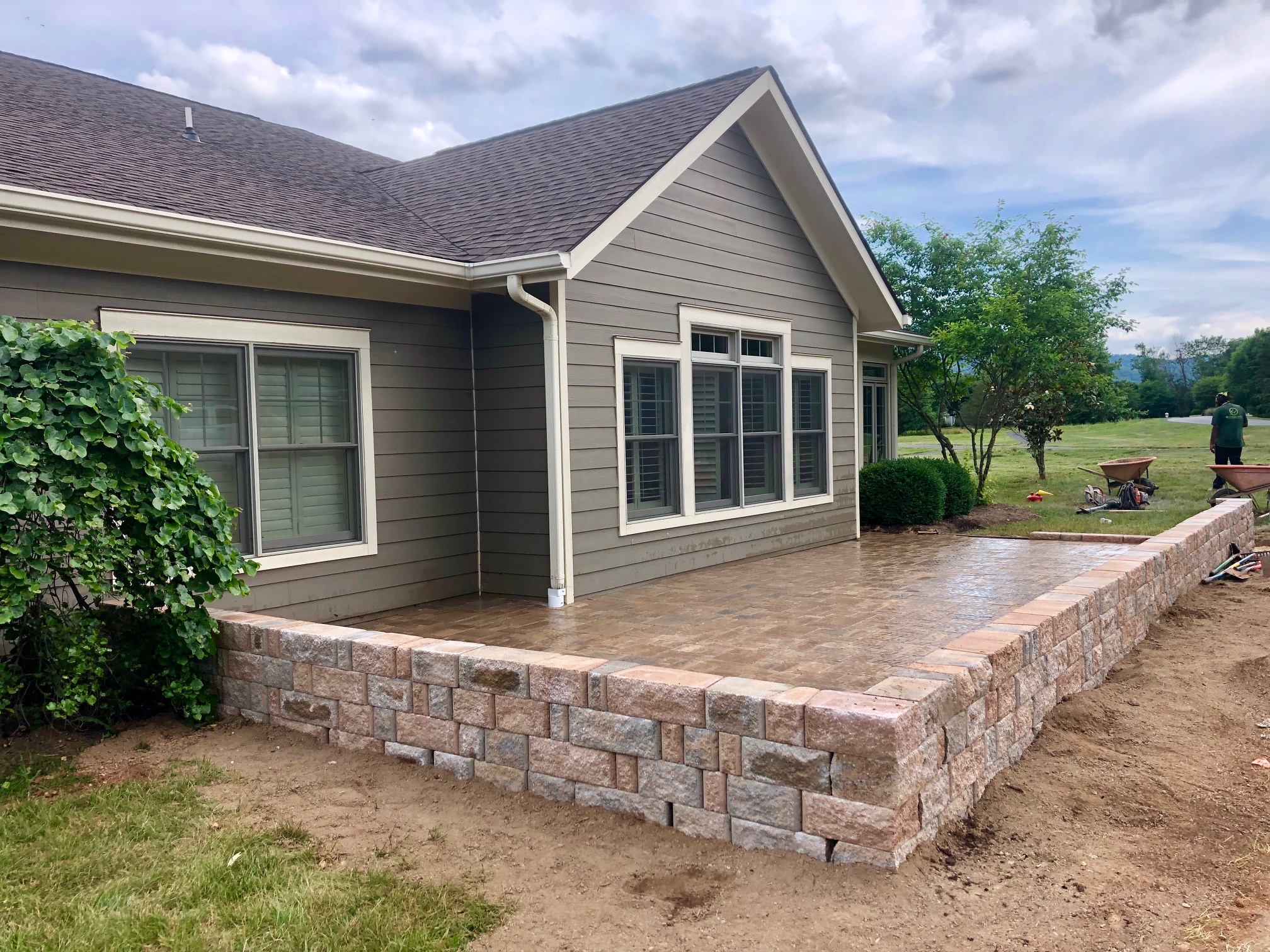
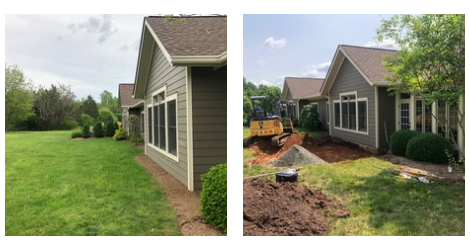
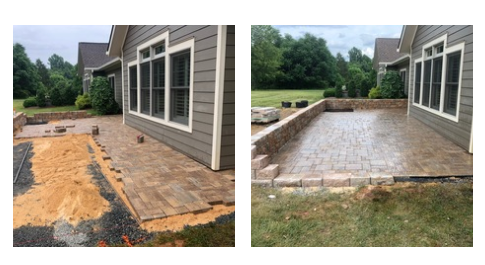
It may be a rainy Friday here in Nelson County but the Windridge Team has been hustling all week to bring this absolutely beautiful hardscaping job in Nellysford near completion. We wanted to share some pictures that demonstrate the process that needs to be followed to properly install a patio & freestanding seat wall. Our client wanted to create a ‘courtyard feel’ for the patio & wall.
We have even designed a spot in for a tree which will be installed this fall, as well as some additional screen plantings.
This stunning project will provide hours of enjoyment for our client and her pets. Offering a quiet place to sip morning coffee, sunbathe in the afternoon, and watch the fireflies against the Blue Ridge in the evenings.
The wall & patio blend in so well with the home that it looks like it always belonged there. We take pride in all of our projects and tend to wait until completion to post but we were too excited to wait on this one. We will be sure to have our crew leader, Jeff Thompson post a follow up to the company Facebook page. The guys have done a stellar job!
https://windridge-stage.stage5.estlandhosting.com/wp-content/uploads/2019/06/Progress-2.jpg15122016estland/wp-content/themes/windridge-enfold-child/images/header-logo.svgestland2019-06-07 17:09:302019-06-07 17:09:30On A Hardscaping Roll
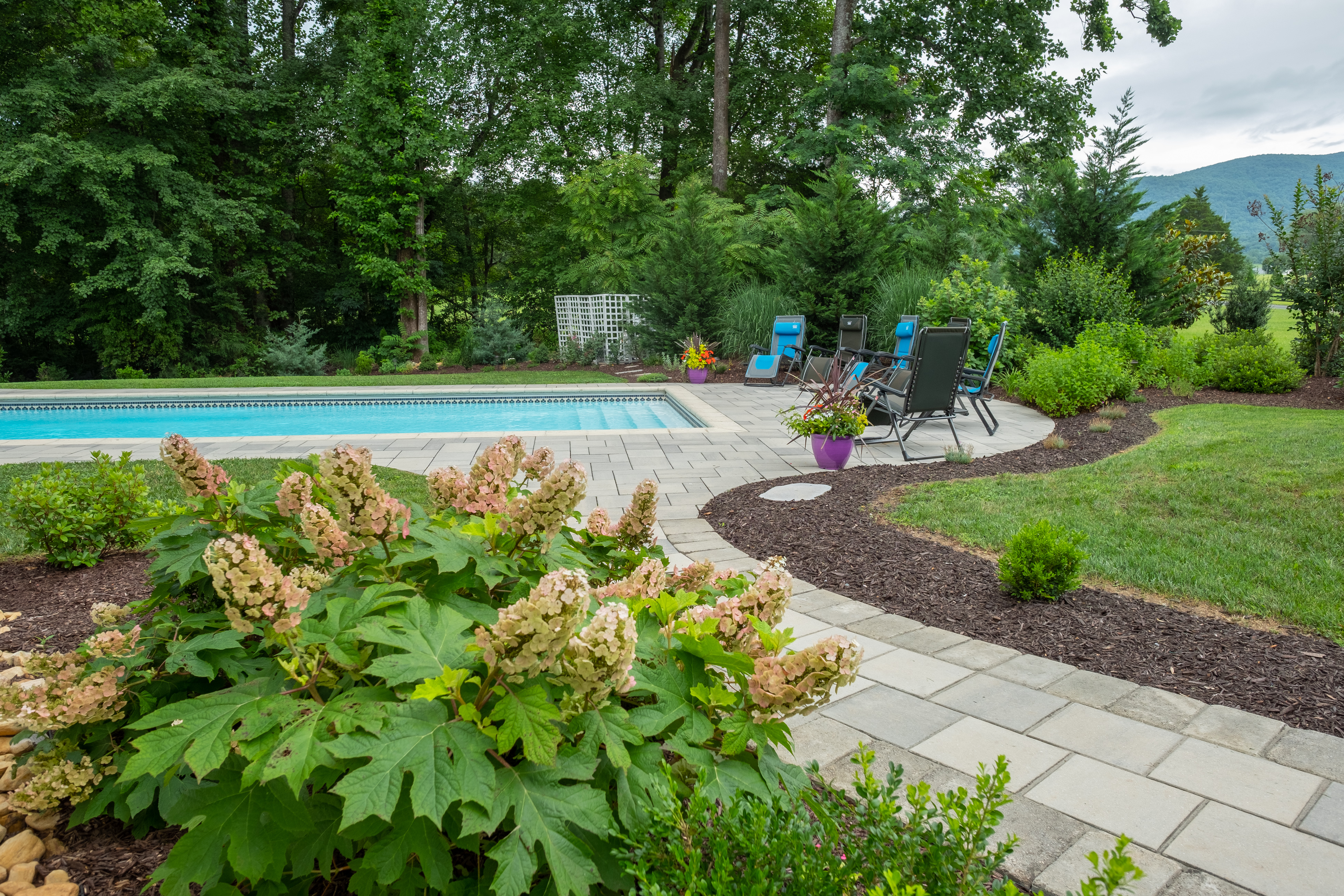
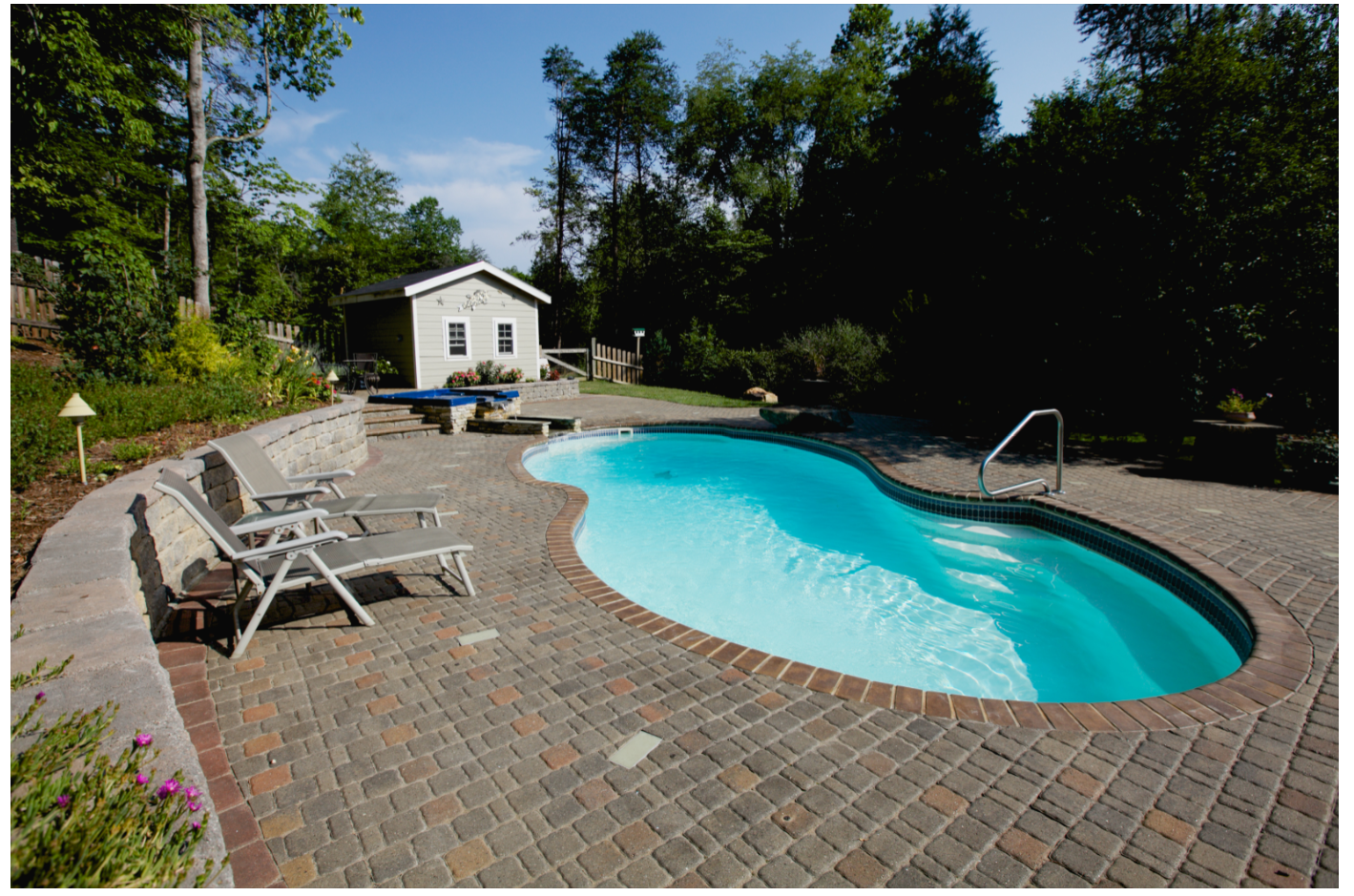
Fire up the grill and open the pool because Summer is here! There is so much stay at home fun to be had with your family & friends when you create your own private oasis in your backyard. We have helped numerous clients over the years expand, replace, and upgrade their pool decks. This experience has led us to becoming certified pool installers. This means we can take your pool project from concept to completion.
A pool installation does not have to be complicated when planned properly. Our fiberglass pools are much easier and less expensive to install than traditional pools. If you have a pool perhaps you need a different deck besides that cracking poured concrete? Or maybe you want color changing lights to keep the fun going after dark? How about few hidden deck jets to spray into the pool for a little extra fun, like they have a community splash pads? So if you are even considering a pool for your yard, or your pool just needs a face lift we are the professionals for the job.
https://windridge-stage.stage5.estlandhosting.com/wp-content/uploads/2019/05/bailey-pool-deck-after-pro.jpg14562184estland/wp-content/themes/windridge-enfold-child/images/header-logo.svgestland2019-05-31 19:00:592019-05-31 19:00:59It’s Pool Time!!!!!