Instant Gratification With Grass

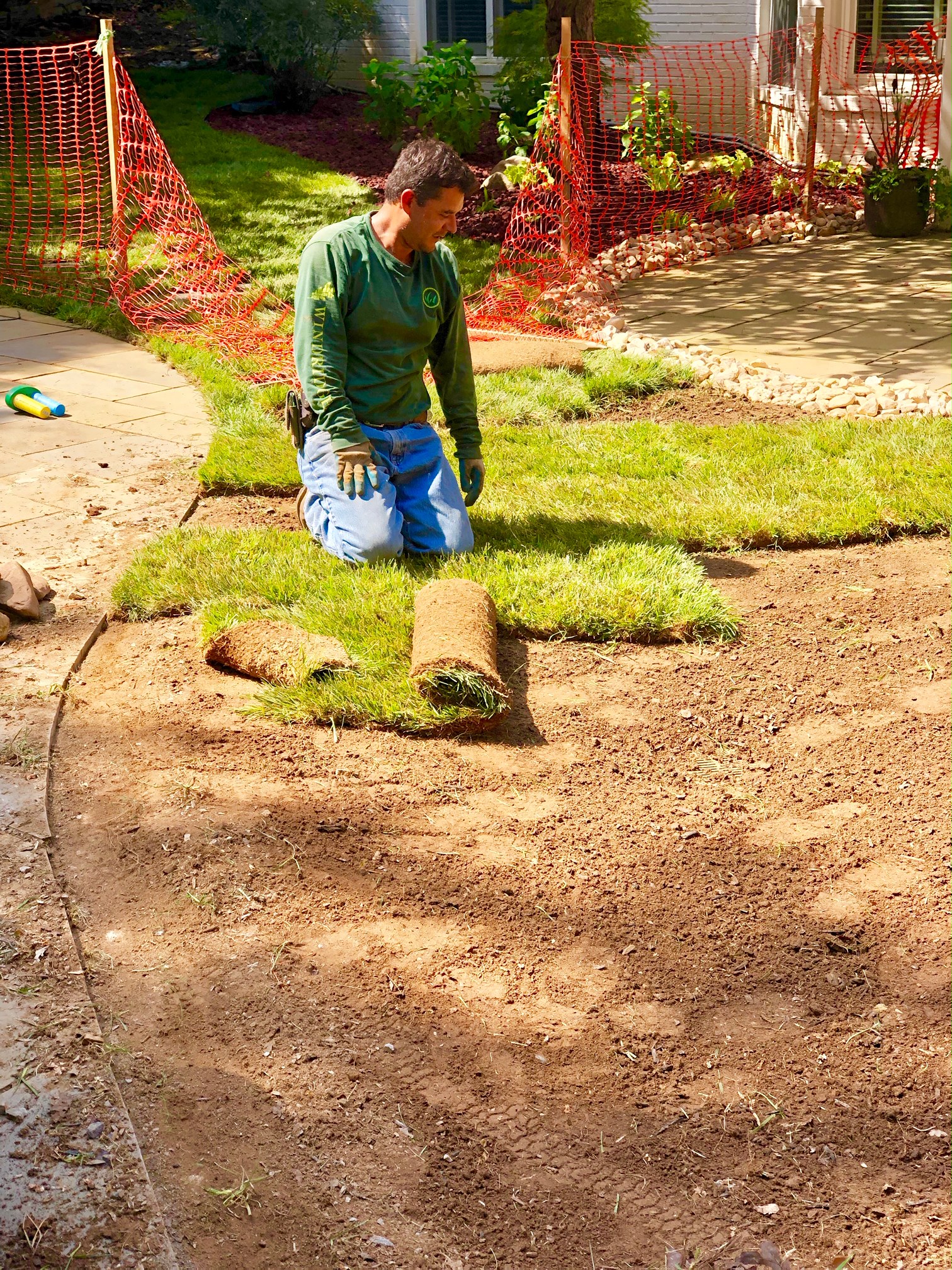
When it comes to landscaping instant gratification is often an expectation that our clients express, and we strive meet & balance this expectation. Nothing finishes out a project quite like new sod around a fresh hardscape or landscaping bed.
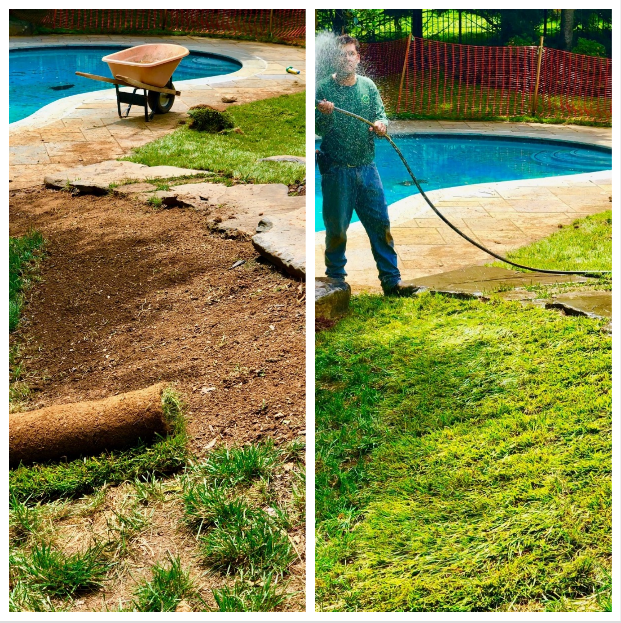
Sod is a wonderful alternative for those who do not have the option to seed. Laying sod also allows for turf to be established outside the typical Spring & Fall seeding season. Love it or leave it there is nothing quite like the American Lawn. As professionals we are moving towards downsizing overall turf areas to ‘the spaces we use’, acknowledging the importance of raising our environmental consciousness while maintaining an open play space in the yard.Our guys were all about helping our clients put the finishing touches on their landscaping projects this week for Memorial Day Weekend.
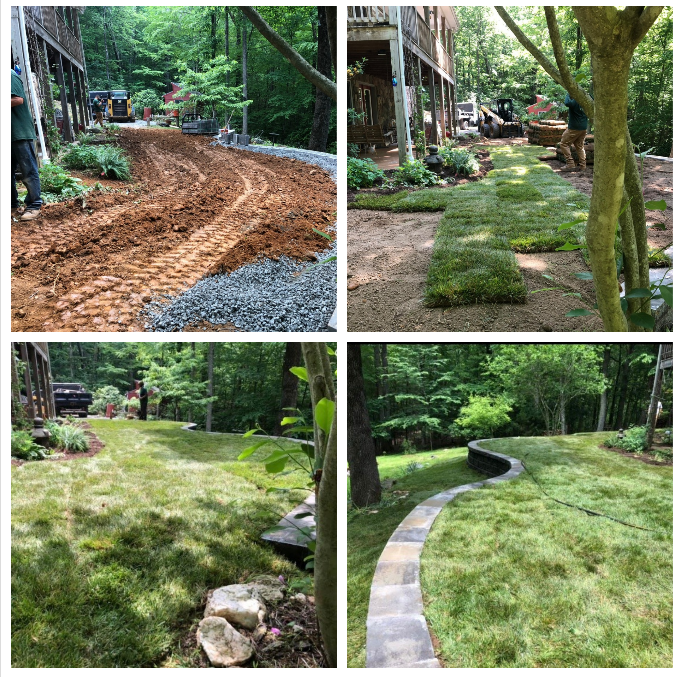
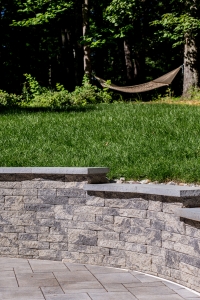
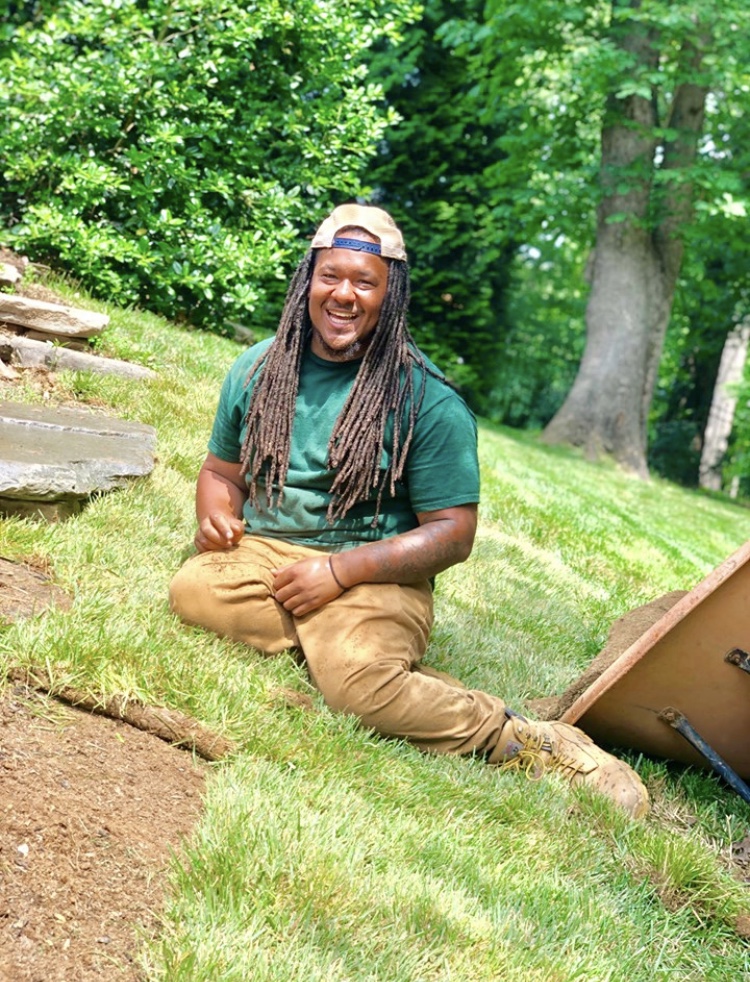
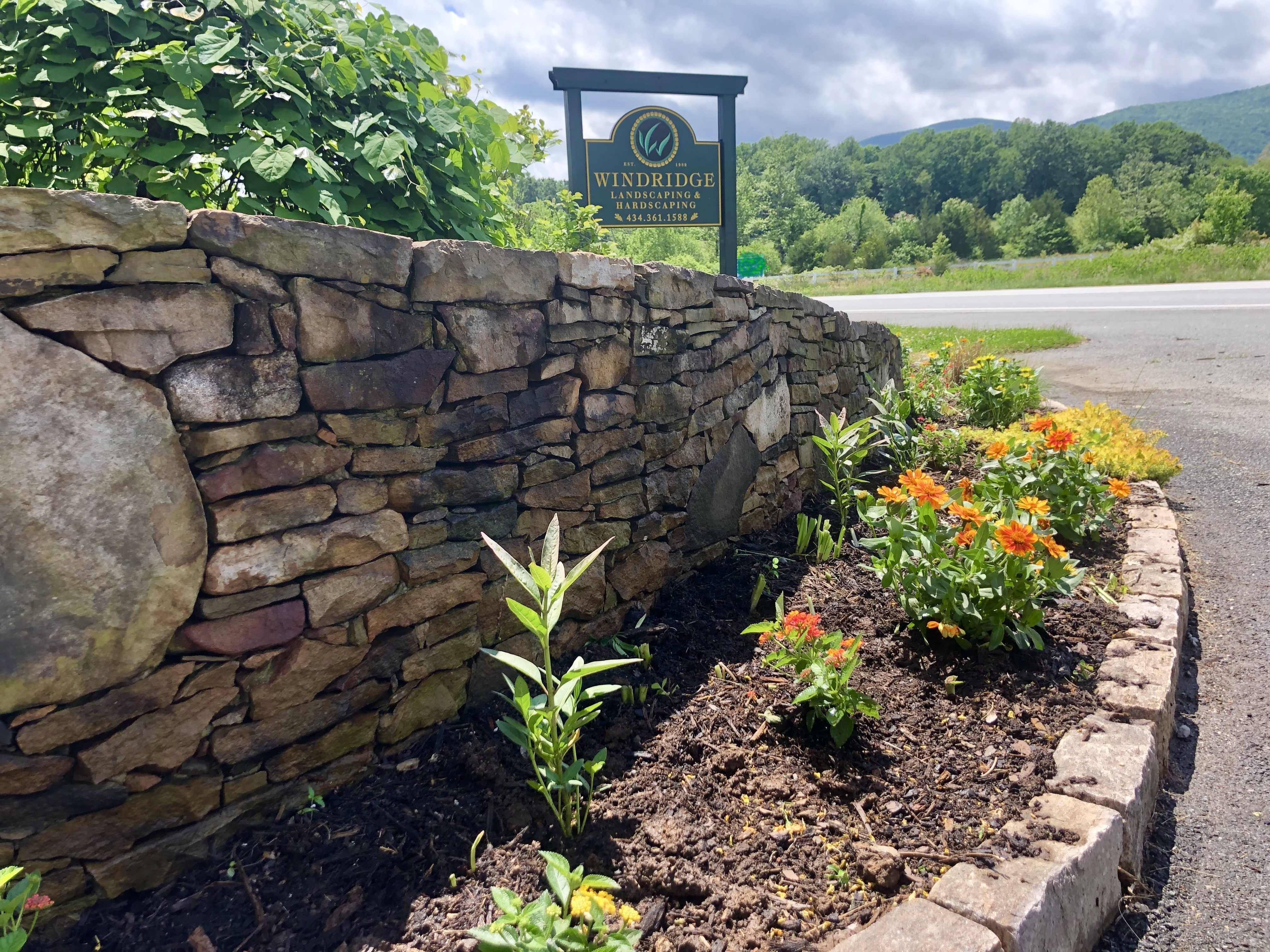
Jeff T. shared some progress shots from his retaining wall job in Nelson County above. Below our crew leader Saul rolls out sod with a smile in Keswick.It is important for us here at Windridge to have some fun, and keep a good sense of humor while at work. Anyone would be hard pressed to not crack a smile when working with these guys. You have to appreciate someone that can be on tap to help you achieve your landscape goals on a professional level and make you laugh.Doesn’t Antoine look like he’s in the middle of his Senior Portrait photo session? Thank you Trey for taking and sharing this seriously good shot. It was cause for a lot of laughs in the office as well as the field.
Time For Summer Annuals!

It is officially time for summer annuals here in the Piedmont Region of Virginia. Our last average frost date is May 5th. Although we promote sustainable and native plants we also recognize the enjoyment that a seasonal pop of color can bring. The trick is to choose the right annuals for the right place and ones that’ll suite your lifestyle.

Nobody wants to be a slave to their seasonal color, rushing home to water delicate plants, and deal with the stress that finding someone to water your annuals while you take a vacation can cause. So when you are perusing the annual section in your favorite garden centers this spring you may want to keep the following candidates in mind.

Lantana is a phenomenal annual that comes in a myriad of color combinations. The hotter and drier it gets the more this plant thrives. It is also a pollinator and hummingbird magnet. It is a little brittle so planting it in a space that you will not have to travel directly through is suggested.

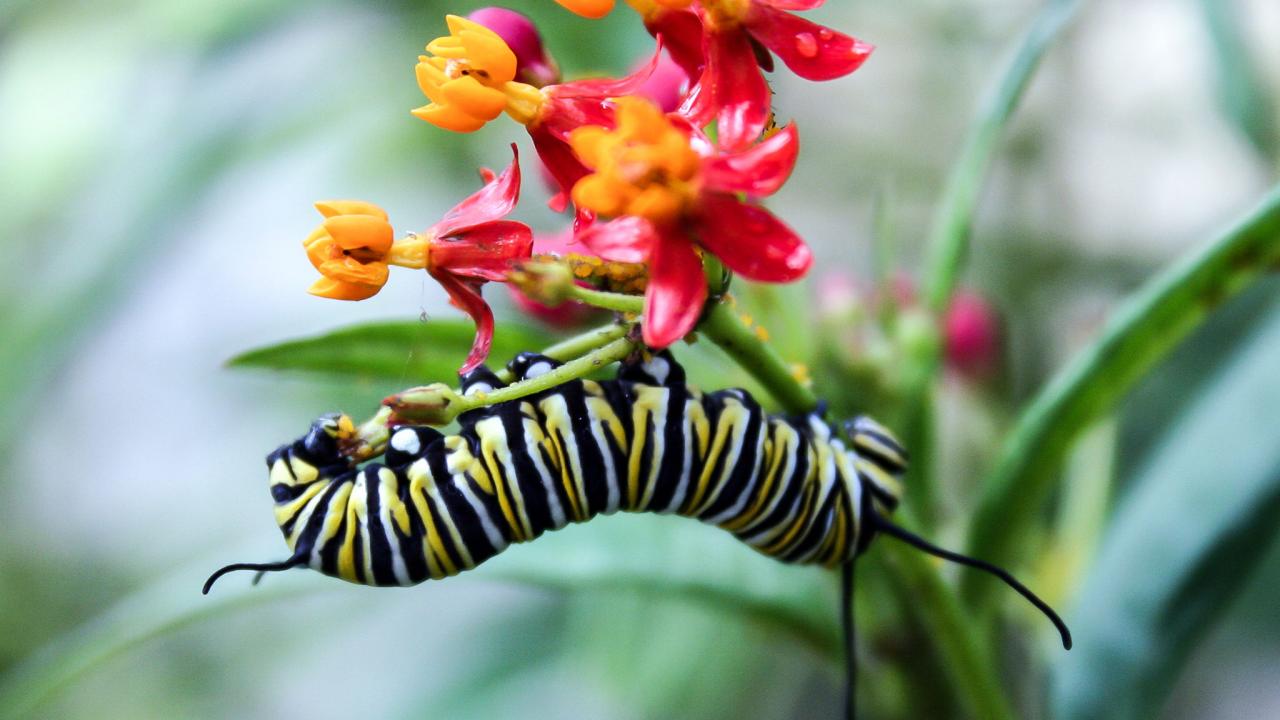
Variegated Tropical Milkweed is another fun plant option in our area (Zone 7). Although this annual has taken some heat and created some controversy in milder zones (Zone 8 and up) this plant will not survive our winters and terminates with the first frost. It also offers a unique opportunity to experience personal interactions with Monarch Butterflies up close without the running (rhizomatic) nature of our other Milkweeds (Asclepias), nor will it reseed.

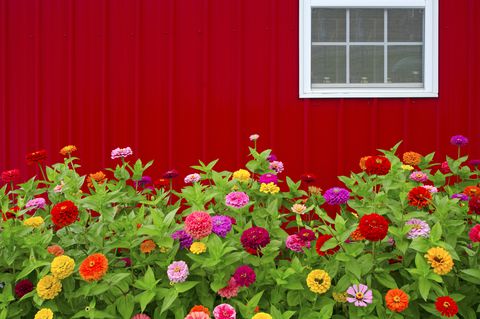
There are numerous Zinnias to consider as well. They come in a broad array of shapes, sizes, colors, and flower forms. From the classic big beautiful formal double flowering form in a carnival of colors to the low spreading single flowering simple form that come in white, yellow, & orange, even raspberry, pink and white. The only maintenance is deadheading the larger varieties. Be sure to plant them in an area with plenty of light and air circulation as the can be susceptible to powdery mildew. These flowers are easily grown by seed, so consider sowing some instead of buying larger more expensive plants. Give that wallet a break.

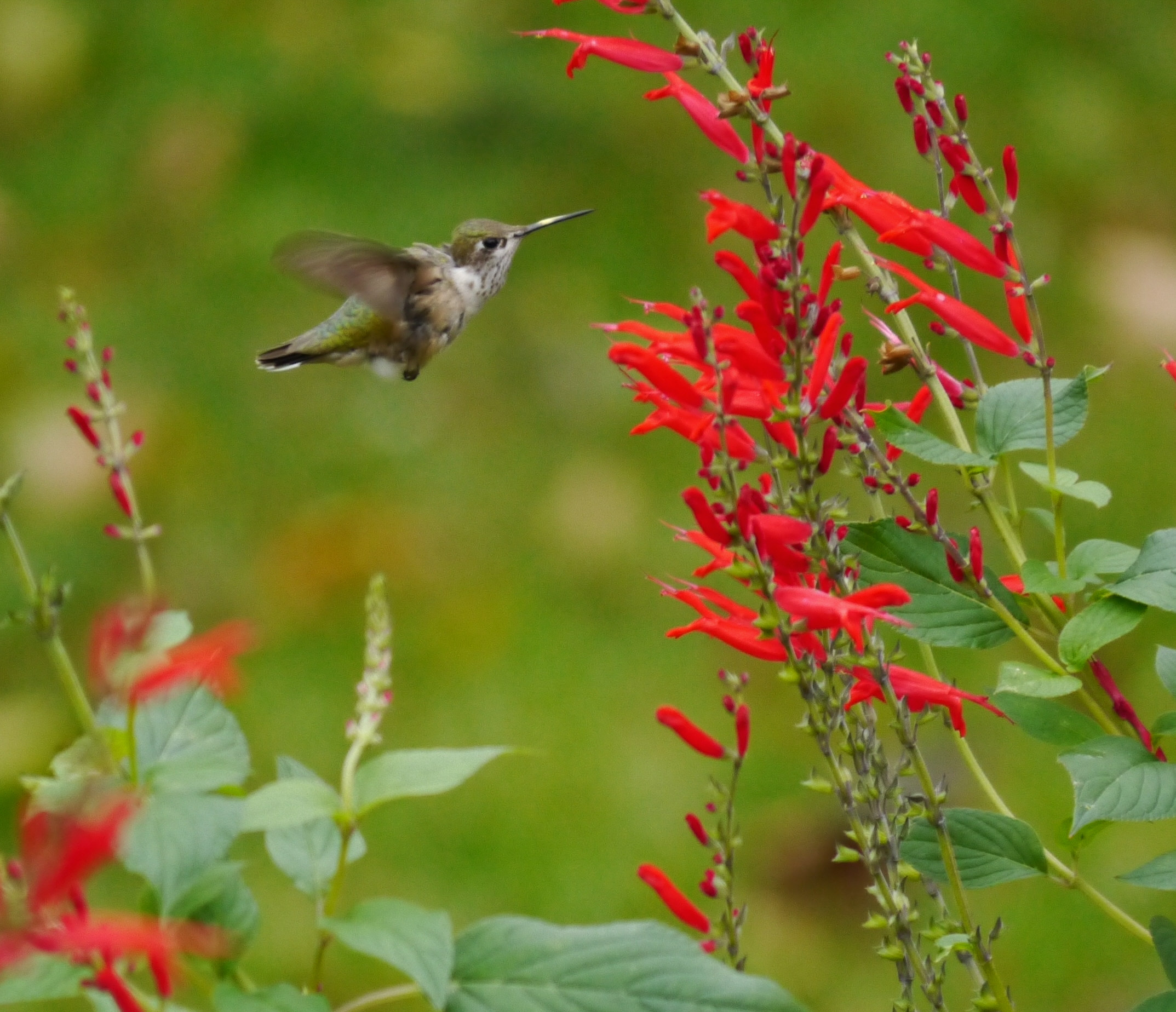
If you enjoy plants with a purpose and don’t mind a light re-seeder then Pineapple Sage may just have a place in your yard and a few leaves are a nice addition to a cool beverage. We like to refer it to our perennial annual. You will not hear any complaints from the hummingbirds either.

These are just a few of our favorite ‘easy keepers’ for full sun. Ours were just installed today and we will post intermittent progress shots to show you all just how much these guys can fill a space with exciting color and activity (without sentencing you to a summer dragging hoses).


Spring Is For Hardscaping

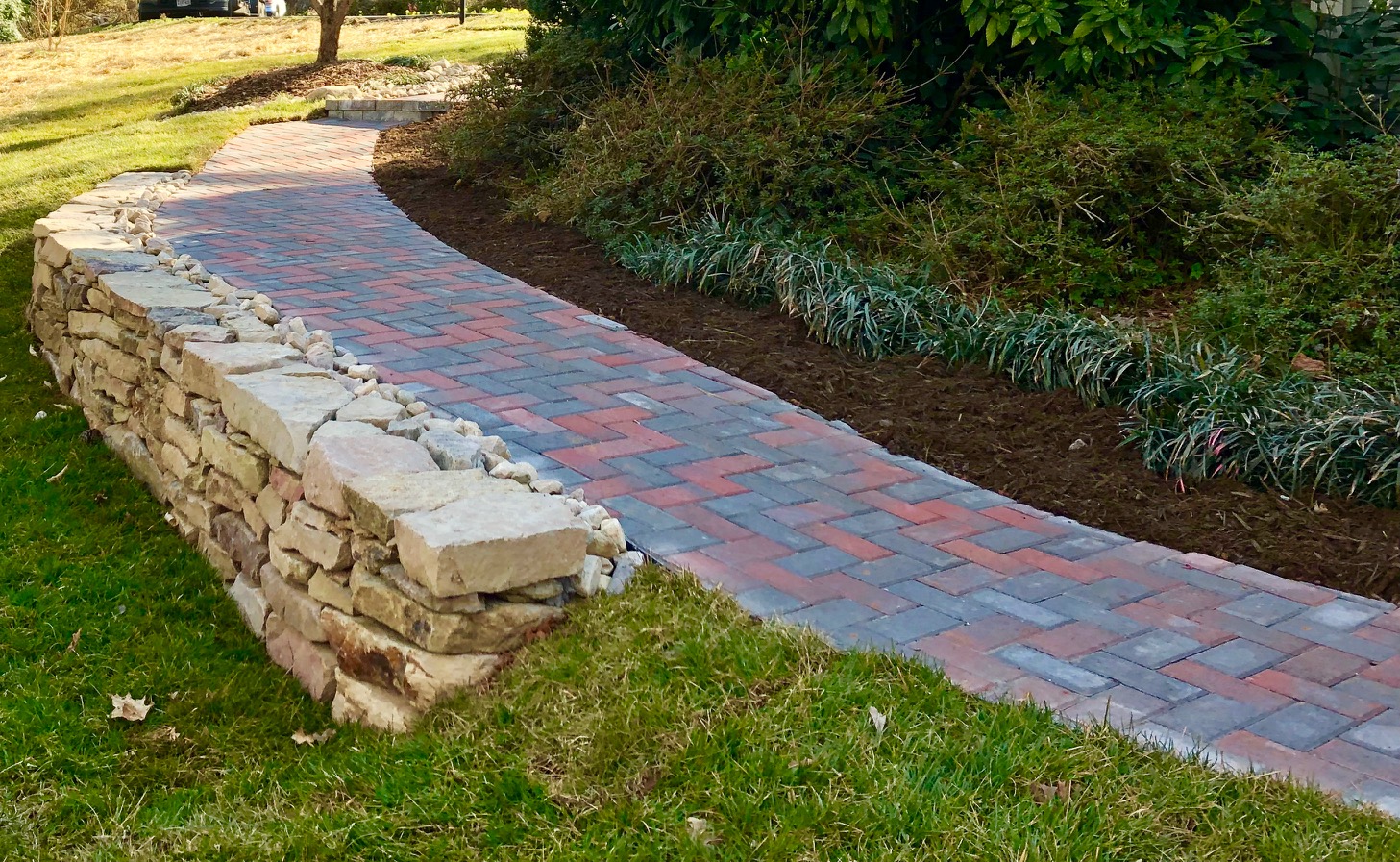
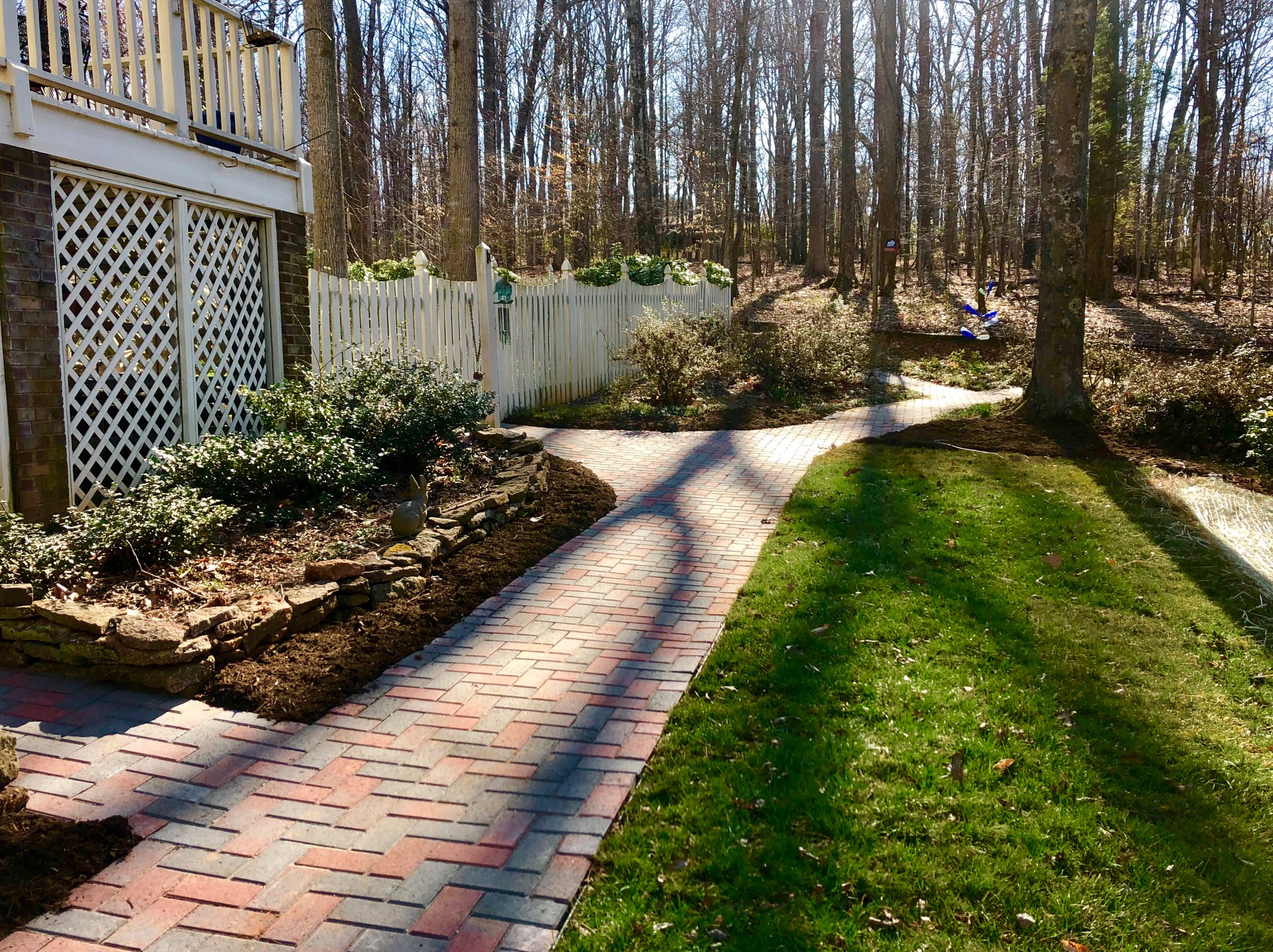
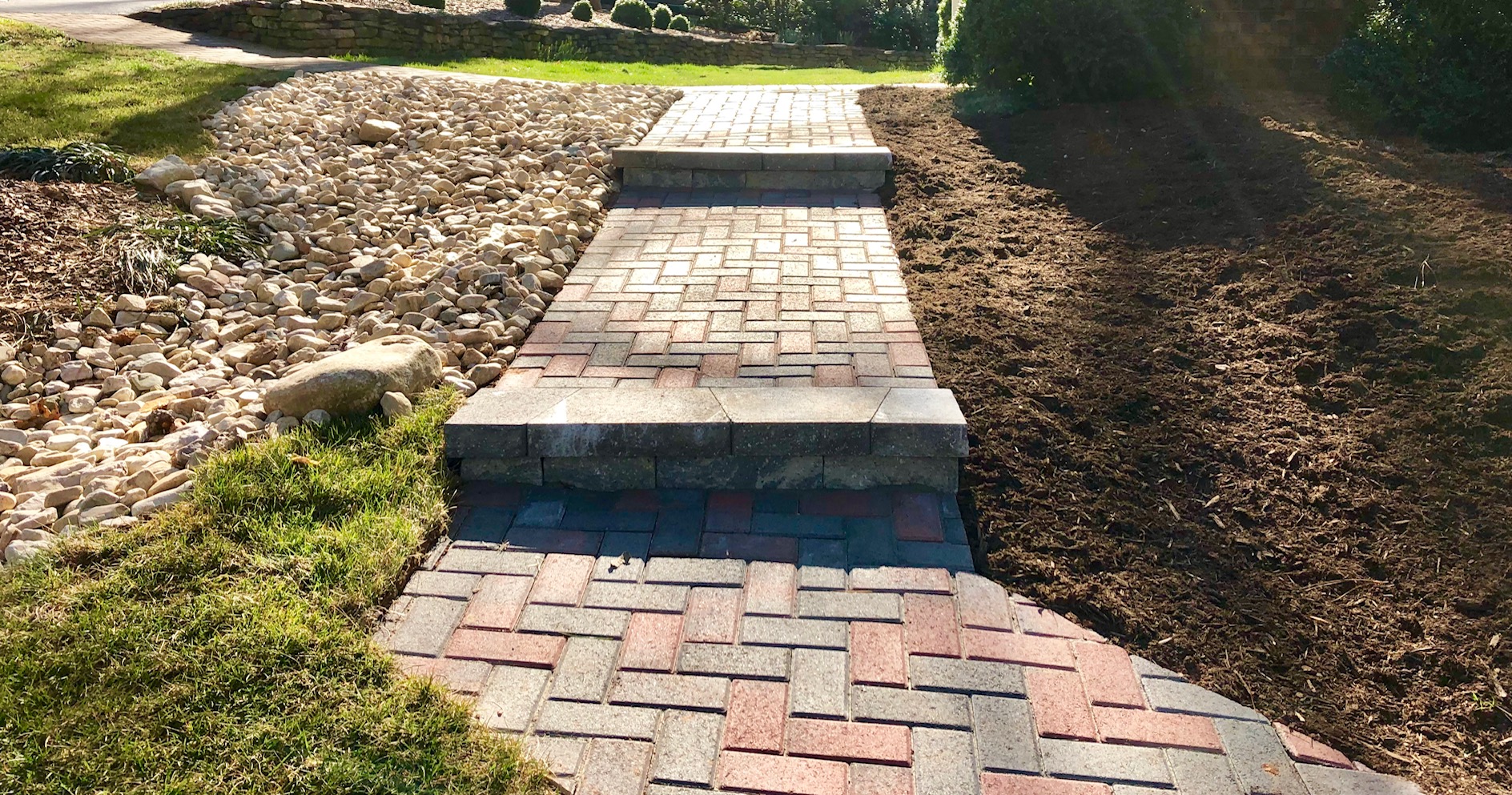
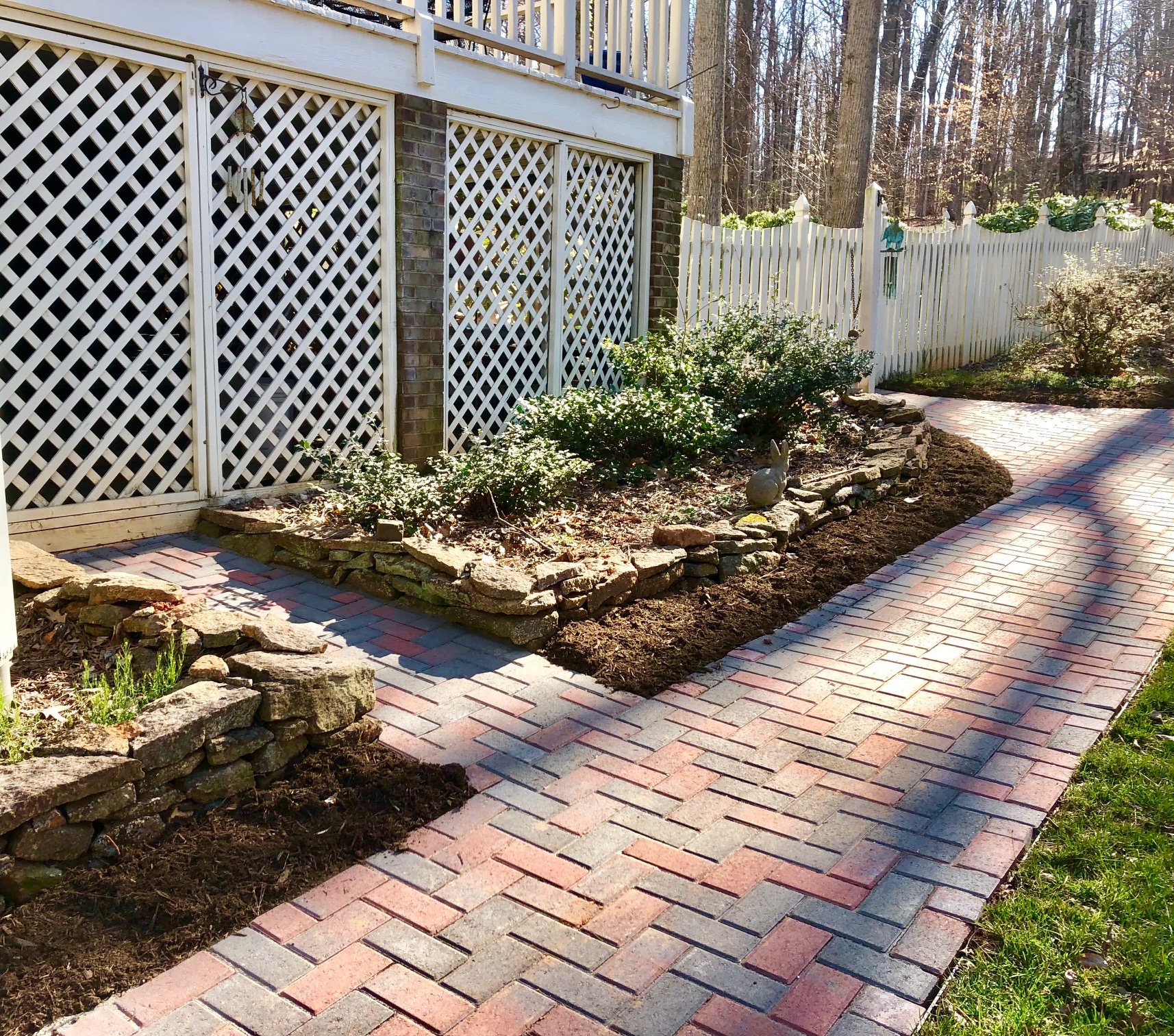
It is safe to say that Spring is in full swing and so are we! Everyone has to agree that there has been no shortage on beautiful weather here of recent. It is the time of year that makes anyone find any excuse to go outside. Everybody seems to have a list of plants that they are on the hunt for, but Spring is also the time for hardscaping. We have been busy working on creating & improving outdoor spaces for our clients. Pictured above (and throughout) is a blended Brikstone Walkway from Eagle Bay installed by Jeff Thompson & his crew. They installed this addition earlier this Spring for an existing client. Also in the picture you shall see a natural stone wall & river stone swale that was included in the scope of work.

It is important to consider that if you have a project which you intend to “add on to” or “phase out” you want to ensure that you are using materials that will still be available when the next installation phase arrives. It is also important that the new materials bend in as seamlessly as possible with the existing ones, part of that is ensuring that quality materials are used. Hardscaping can offer an opportunity for countless hours of enjoyment on your property and get the family outside together collectively. There are also little added perks that a paver surface offers, such as keeping the dirt & debris being tracked into the house on feet & paws to a minimum. A small patio could be easily transformed from an outdoor dining area to a evening chill spot with the re arranging of a little furniture, and the addition of a mobile fire pit all in the course of a single evening. Or perhaps you are more of a hammock person and want to spend a day tucked into one with a book, under the shade of trees, only ever bothered with the occasional obligatory ball toss for the family dog?


With so many options and decisions to be made having a professional contractor to work with you to nail down the design, and take the lead on excavating,  drainage considerations, ensure a properly compacted aggregate paver base, material takeoffs & logistics makes any outdoor project doable. So why not call us up and at least discuss some projects for your property? Set some goals, toss around some ideas, and discuss options that will allow you to enjoy your outdoor space to the fullest, and add value to your home.

Tree Risk Assessment At McCormick Farm

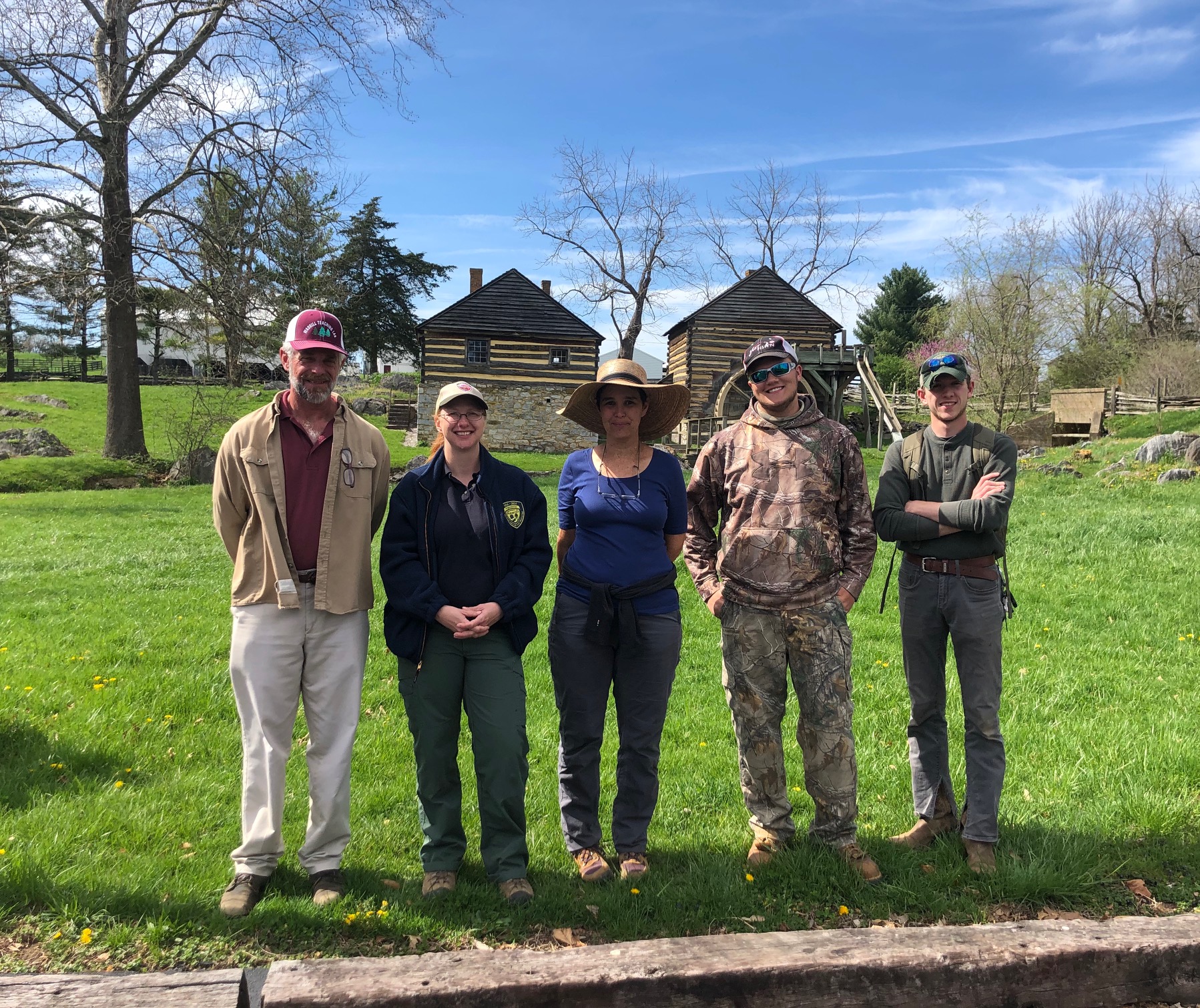
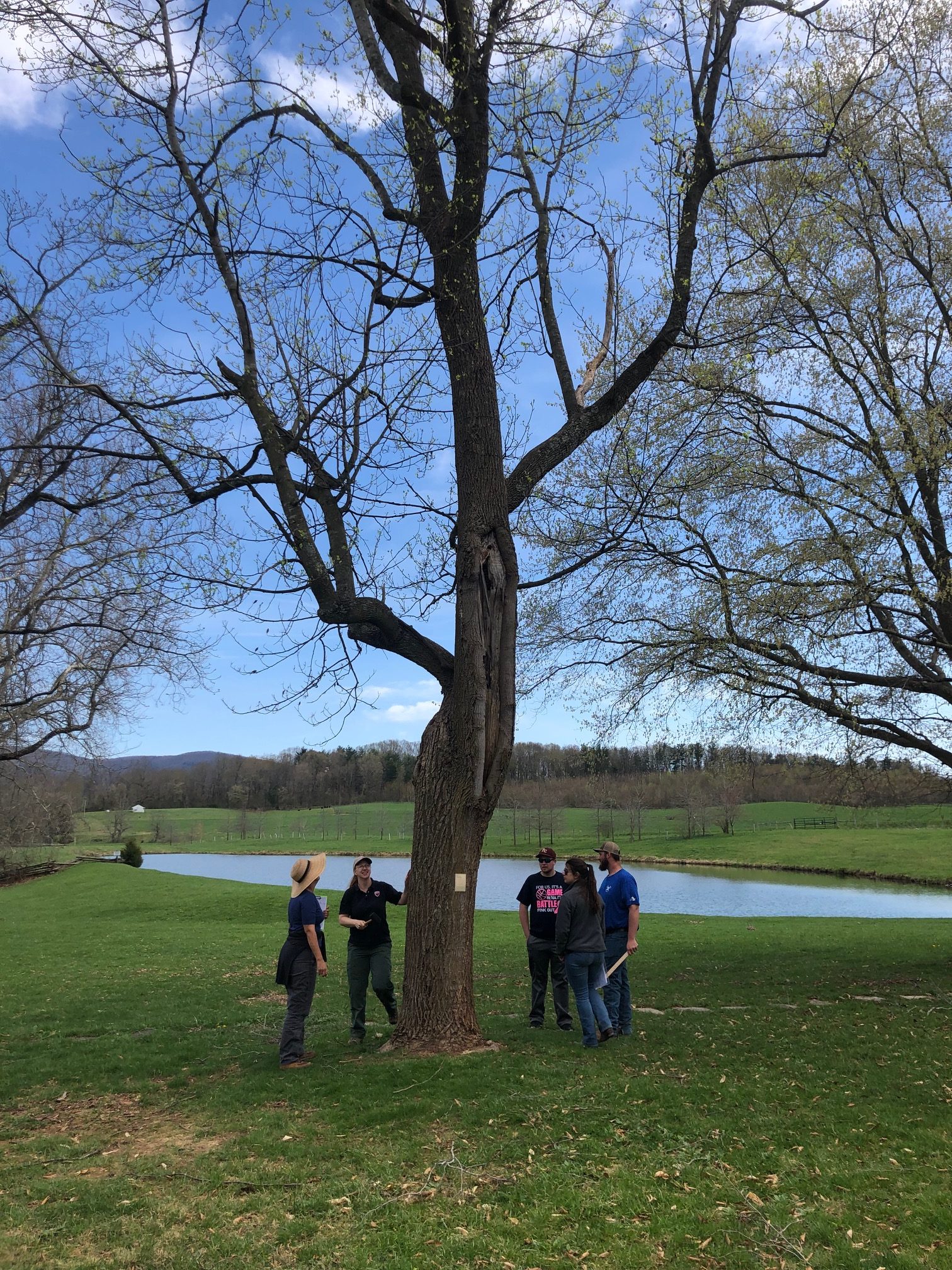
Windridge Landscaping was asked to put on a Tree Risk Assessment Lab for about a dozen Urban Forestry Students by their professor Billy Newman. Our ISA (International Society of Arboriculture) Certified Arborist & Qualified Tree Risk Assessor (TRAQ) on staff, Jennifer Hughes volunteered to lead the lab and introduce the students to the ISA methodology for Tree Risk Assessment. Karen Stanley of the Virginia Department of Forestry was present to talk about risk assessment in forestry and talk about the Emerald Ash Borer (EAB) treatments & experimental pasture plantings that have been preformed at the farm.

Dabney Lancaster Community College is one of the few Community Colleges in the state that offers these kinds of courses & specializations in Forestry. They have a dynamic & growing program, and we here at Windridge are committed to furthering the education of up and coming professional members of the Green Industry. Jennifer brought her relationship with the college with her from her time in the City of Lexington where she served as the City Arborist for over six years. They spent several hours on Wednesday, April 16th out in the beautiful weather learning and applying new risk assessment techniques.

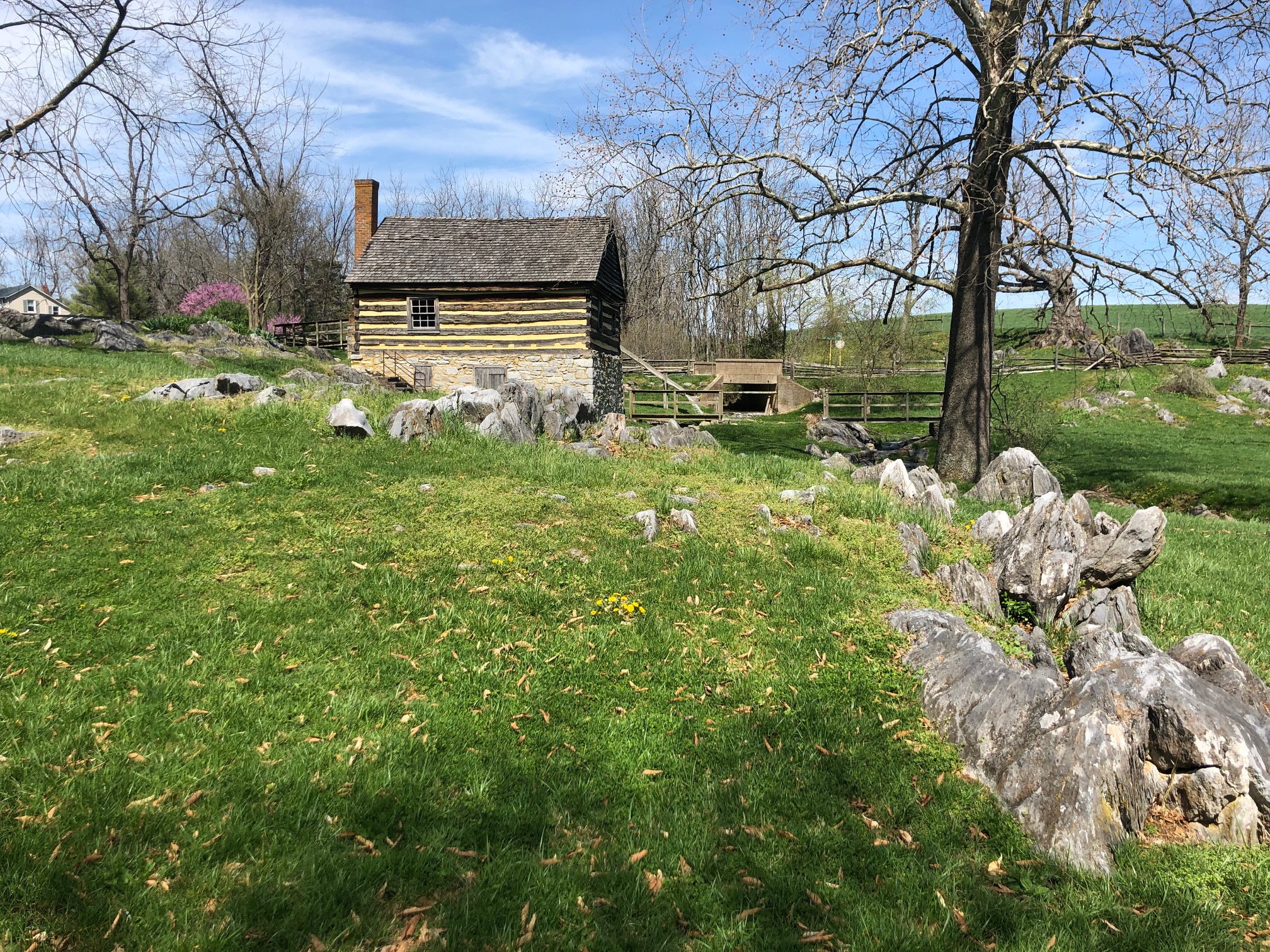
McCormick Farm is also the site for the Shenandoah Valley Agricultural Research Center through Virginia Tech and is open to the public. It is an absolutely beautiful and historic place to visit. The grounds are a perfect place to spend a day picnicking with the family, touring the mill and other structures, strolling around the pond; or just sitting under the magnificent Beech tree getting ideas for you next landscape project.

How NOT To Mulch


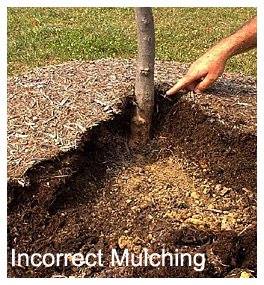
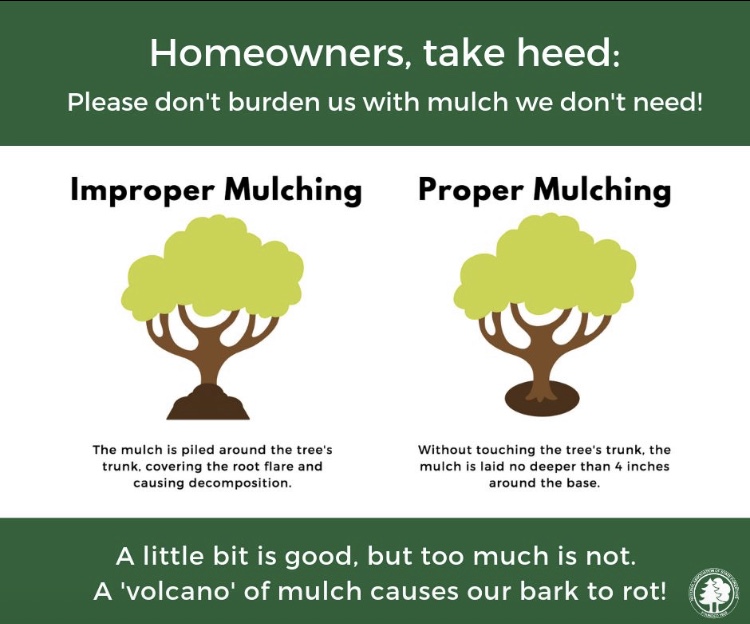
Nothing grinds our gears here at Windridge like seeing mulch piled up like volcanoes of death against the trunk of a tree. Several of us on staff regularly admit to excavating around the root collars on these trees because we feel morally compelled to do so. Landscape Contractors are in a unique position, we literally deal in & install living things, and therefore must afford plants special consideration. We take this obligation and the trust of our clients seriously

A professor I had in college once said to me that, “Education is something people will pay more for, but want less of.” I hear these words echoing through my mind as I step out of my vehicle at just about every shopping complex in the state. People are willing to pay incredible amounts of money for landscaping and will pay even more, on a seasonal basis to preform incorrect maintenance that undermines their green investment. These improper methods will shorten the life expectancy of their tree and can encourage pests and diseases on to the property.

We struggle in our mission, but are dedicated to educating even those in our own profession that ascribe to these detrimental practices, and have come to realize that homeowners are following the deplorable examples that they see in parking lots and commercial complexes.

No tree should ever have any mulch against its trunk for any reason and no more than 4″ of mulch should be under a tree at any time. In an ideal world the mulch ring would extend to the dripline of a tree. The dripline is defined as the outermost circumference of a tree canopy where water drips from the leaves onto the ground. This is not always practical, but always try to make your mulch ring as wide as possible. Typically a 2-3′ ring for young trees and a 6-8′ rings on older ones. Not only will you substantially prolong the life and health of your tree by mulching properly, but there is additional savings to be gleaned as well, because way less mulch is needed to achieve this than is typically applied.

Just a little adjustment in our practices go a long way. The Windridge Team Members are dedicated to installing healthy trees and keeping them so. We can also help mitigate & at times even reverse the damage that trees that have been mulched improperly suffer. Mulching the right way will not cost you more, even potentially less. Mulching improperly will cost you your tree.

Spring Lawn Care

Raking is the first trick of the trade, thatch that is too thick won’t allow your lawn to breath. Aerating is next, compaction of the soil is hard to avoid in Virginia and aerating is the key to getting air and nutrients to the roots. During this process it’s an ideal time to do 2 things: 1. lime if your soil if it’s showing signs of acidity ( you can have a sample tested through the county extension office) and 2. overseed and feed with a slow release nitrogen fertilizer. Spring is not the ideal time to overseed so if you can wait until fall then do so.  If you’ve got a particular area in your yard that’s struggling, someone from our team at Windridge Landcaping can come out and take a look at possible problems like drainage.  Tune up your lawn mower and you’re ready to go.

Ways To Increase Nesting Habitat for Native Pollinators

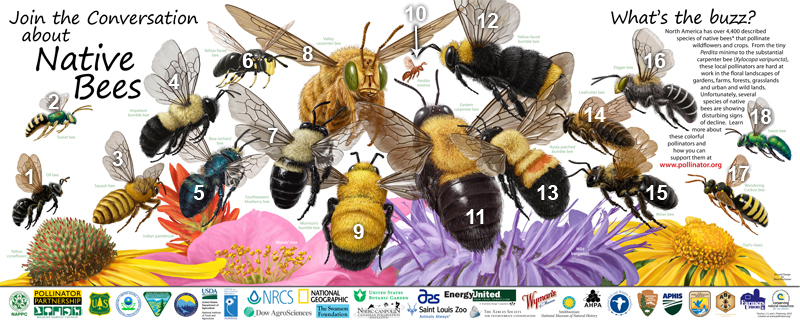
Recent research suggests that pollinators do better in urban environments, yet these mowed, mulched, and managed landscapes frequently lack a sufficient amount of nesting habitat. Here are a few simple ways to provide them with their ‘Dream Home’.

Provide Habitat With Plants: 30% of our native bees lay their eggs in cavities – holes in dead wood, hollow stems, or even cracks in concrete or stone (only honey bees form hives.) Grow raspberries…and other plants with pithy or hollow stems such as Joe Pye weed (Eutrochium spp.), elderberry (Sambucus spp.), hydrangea, and others. Cavity nesting bees will make nests in the dried stems and twigs from previous years’ growth, so don’t aggressively cut back or clean up these plants and consider leaving dead branches alone. Waiting to cut back your grasses in spring instead of fall to provide precious habitat and provides you with winter interest.

Use Leaf Mulch: People mulch for many reasons; to suppress weeds, prevent erosion, and to make beds look tidy. If you must mulch, consider using compost or shredded leaves instead of chipped wood products, even if it is just in one area in your yard. These alternatives will have the same weed suppression, water retention, and other properties – yet be light enough to allow ground nesting bees to pass through. 70% of our native bee population nest in the ground and the vast majority of them are gentle & harmless. Most people have leaves readily available to them in their yards in fall, so the mulch is FREE.

Save A Dead Tree or ‘Plant’ A Log: Maybe it’s a reminder of our own mortality, but when most of us see a dead tree or even a dead branch, our first impulse is often “that’s gotta go!” In many cases this material poses no real danger, and, if it can be tolerated, this dead woody material provides an abundance of habitat for all sorts of wildlife. Beetles and carpenter ants burrow into dead wood, birds go after these insect treats, and this activity creates perfect chambers for cavity nesting bees to lay their eggs. While you may not want to gaze lovingly upon a dead tree from your kitchen window over morning coffee, you can add this valuable habitat to your landscape by leaving piles of twigs, branches, or logs in your garden.

Build A Better Brush Pile: The very mention of a brush pile conjures up such nightmarish images (fire! snakes!) that the idea of adding one to your carefully cultivated landscape may seem anathema. Yet adding a brush pile is one of the most effective ways you can provide habitat for a diversity of wildlife while also benefiting the environment and saving money in the long-term. Worried about it being an eyesore? Get creative and build a “brush fence”, hide the pile behind ornamental grasses, or simply install a Pollinator Friendly Habitat sign to advertise your good intentions to your neighbors. Or build a ‘bee hotel’.

With a little effort and consideration, you could have a profound impact on our native pollinators for little to no cost. Just remember every bit helps our struggling native bee population and we are on tap to help you help our native critters.

Laying Paths Through The University of Virginia

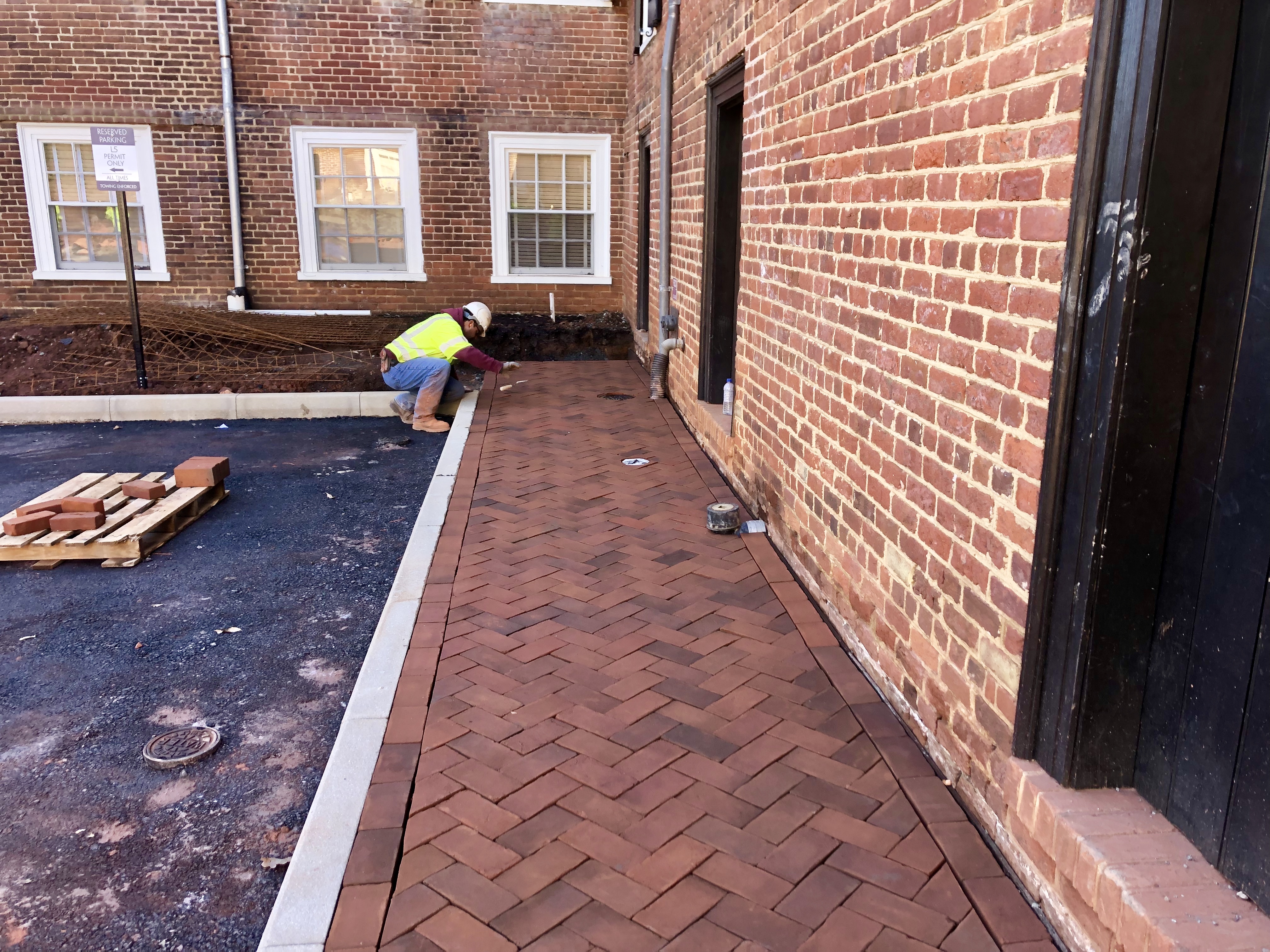
Our team has been hard at work once more at the University of Virginia. We were invited back yet again to assist in the restoration of the historic brick walkways that lead to the infamous Lawn at UVA. It is no small task to lay new, historically accurate brick next to buildings that have stood since The University’s very beginning. The UVA East Range Project has been a stellar follow up to our hardscaping brick project with UVA, completed back in 2016. We were tasked with the relaying of bricks at The Rotunda. It has been an honor and a privileged to work for such a prestigious university that is one of the very cornerstones of the Charlottesville community. So when strolling around campus with purpose or for pleasure be sure to take a moment to look down and appreciate the history on which you tread.

Is Your Ash Tree Infested With Emerald Ash Borer Yet?

[slideshow]


[/slideshow]

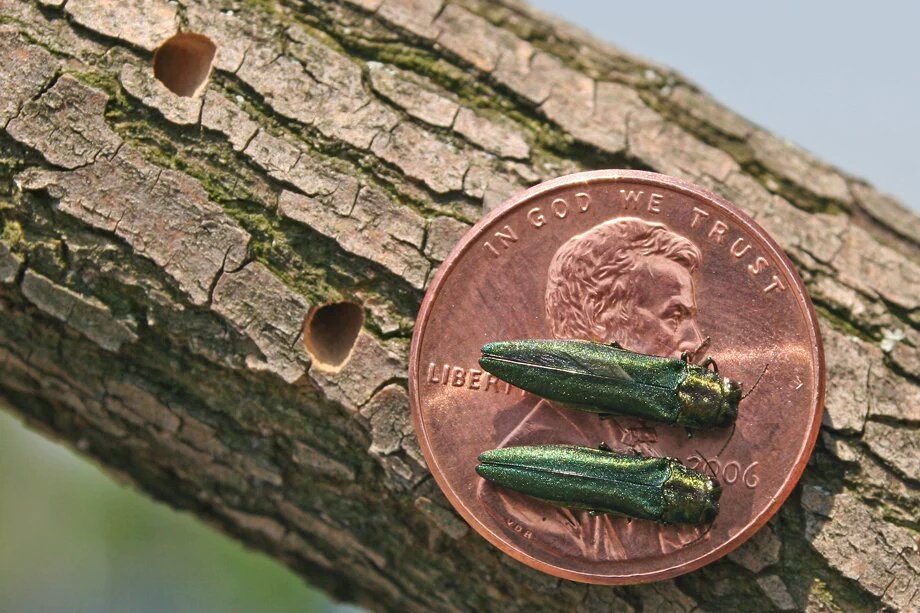
There is hardly a person left in Virginia that has not heard about or is aware of the destructive invasive insect that is the Emerald Ash Borer (EAB) It is eliminating our native Ash Trees. Ash is just a small part of Virginia’s overall tree population. Any untreated Ash Tree in the state will die over the next several years.

The Virginia Department of Forestry has a Cost Share Program for Treating Ash Trees to Prevent EAB Infestation. This program is specifically designed for homeowners & community organizations. If you are interested in applying for this program, or have need of further information, then please reach out to your Area Forester to begin the process. Only Ash Trees which have been injected with this treatment before substantial damage has occurred will survive the wave of infestation.

However, if you have Ash on your property and elect not to treat preventatively for EAB then you need to have a management strategy in place. If your Ash Tree is in an area that has little to no use and is free and clear of targets (like a structure, vehicle, or outdoor features for example) then you may want to consider retaining the tree in its death for wildlife habitat. In the event that the tree could harm/damage a target then consider the target itself. Could you move the picnic table to another place in your yard, or could you park somewhere else? In the case that the tree is in the direct vicinity (within 2.5 times the distance that the tree would fall) of a parking area or structure then in all likelihood you would want to take steps to remove it.

Due to the sharp decline in the structural integrity of the tree the recommendation is to remove the Ash before 2/3 of the canopy dies back. Once the dieback reaches that point the cost of removal and the risk of damage rises drastically. Once infested the tree’s life expectancy drops to 2-3 years. Steps should be taken to remove the tree as soon as you are able to do so.

Signs to look for are dieback in the canopy of the tree (the top of the tree will look less full, even tufted, and it may have a sudden abundance of dead limbs). You may also see sprouts in the canopy, along the trunk, or from the base of the tree. Increased woodpecker activity is also a sign. You may not see the woodpecker but notice bits of bark on the ground and ‘blonde’ patches on the trunk and larger limbs on the tree. You may also observe classic ‘D’ shaped exit holes that are made by the insect.

We have an ISA Certified Arborist & Qualified Tree Risk Assessor (TRAQ) on staff  here at Windridge to answer your questions and facilitate professional connections so you can make an educated decision about the management of the trees on your property.

Jeff Howe Named President of the VSLD

The Virginia Society of Landscape Designers (VSLD) includes over ninety Certified Landscape Designers who have demonstrated competency in design, plant suitability, and graphic communication. Certified Designers must also fulfill annual continuing education requirements. This statewide group of professional designers is an excellent resource to utilize when beginning to plan your landscape. A well planned & easily maintained landscape is a growing investment that appreciates over time.

Windridge’s very own Jeff Howe was named President of the VSLD at their annual Winter Meeting & Educational Seminar. This event was held February 2nd and was hosted by the beautiful Norfolk Botanical Garden. The educational topic of emphasis this year was on Stormwater Management with a focus on calculations & aesthetics .

Over the course of his one year term Jeff aims to increase membership engagement both in person and through media such as the VSLD’s Newly Renovated Website, which is just about ready to launch. He is also dedicated to continuing the previous President, Tim Hess’ goal of growing scholarship opportunities for up and coming professionals that demonstrate passion for the Green Industry.

I had a moment to speak candidly to Jeff about why, with so many organizations out there now a days what drew him (no pun intended) to the VSLD specifically? To which he replied, “The members of the VSLD genuinely represent the state of Virginia, and each individual member has proven that they are qualified in landscape design which has been approved by their piers.”

He went on to say that the commitment does not end there. “Every member is then bound by this certification to keep current with the newest industry standards & Best Management Practices (BMP’s). They strive to increase sustainable landscape opportunities while blending them with traditional design through a biologically diverse plant pallet.”

This statement alone should spur any homeowner who is committed to improving their landscape to seriously consider reaching out to one of these qualified individuals to consult with at the very least.